
SEO Agency London
Find more customers with website SEO solutions.
Our SEO Agency in London provides a range of search engine optimisation solutions.
We understand that getting to page 1 of Google can be a daunting task.
We have years of experience and knowledge to help you achieve your search engine ranking goals.
Find out why we are rated as one of the Best SEO companies in London.
Our SEO Agency in London provides a range of search engine optimisation solutions. We understand that getting to page 1 of Google can be a daunting task. We have years of experience and knowledge to help you achieve your search engine ranking goals. Find out why we are rated as one of the Best SEO companies in London.
- SEO website audit
- Website technical SEO
- SEO keyword research
- Keyword optimisation
- SEO content writing
- Linking building
- Social media signals
- Page speed optimisation
- SEO monthly reporting
SEO Agency in London
Drive more customers to your website with our powerful white hat search engine optimisation (SEO) solutions.
Our expert team employs ethical, industry-approved strategies to improve your website’s search engine rankings, ensuring long-term success and increased visibility.
By optimising your website for relevant keywords, enhancing content quality, and improving technical aspects, we help your business climb to page 1 of Google.
With better search rankings, you’ll attract more organic traffic and convert visitors into loyal customers. Trust our white-hat SEO techniques to build a sustainable online presence that complies with search engine guidelines.








SEO Service Key Features
White hat SEO techniques to give your website an SEO ranking boost.
Listed below are some of the key concepts used for search engine optimisation.
-
If you have an existing website, we will perform an audit, check for any SEO issues and suggest improvements.
-
We will review your website to make sure Google and other search engines can crawl and index your website.
-
We will research the best keywords to target to help your website rank higher in Google search results.
-
Keyword Optimisation
We will review your website content and optimise for selected keywords to improve search engine rankings.
-
We will help you to create content that is keyword rich and enticing for customers to improve your conversion rates.
-
We will help you to generate more authority website backlinks to improve your ranking position on Google.
-
Social Signals
We will help you create social media content to improve your search engine visibility.
-
SEO Reporting
Each month we will produce a search engine ranking report to track the progress of your website's Google rankings.
Best SEO Company in London
Expert SEO strategies for businesses.
At DCP, we recognise the importance of businesses aiming to achieve top rankings on search engines to enhance their customer reach. We’re also aware of the fierce competition within the realm of SEO.
Over the years, we’ve assisted our clients in securing prominent positions on search engine results pages for a wide range of keyword phrases, including competitive ones, niche-specific terms, local queries, GEO queries and long-tail keyword phrases.
We craft content designed to improve your website’s search engine rankings, engage with its audience effectively, and enhance conversion rates.


We will:
- Research keyword phrases
- Check your current rankings
- Research your competitors
- Create SEO-optimised written content
- Design outstanding visual artwork
- Produce engaging video content
- Create an action plan for on-site & off-site optimisation
- Provide you with monthly progress reports
The above forms the core aspects of our search engine solutions, contact us today for more information about how we can help you rank better in popular search engines.
Search Engine Optimisation Examples
| Client | Keyword | Ranking Position |
|---|---|---|
|
ImYou |
Psych-k Consultation |
Google Page 1 – Position 4 |
|
ImYou |
Psych-k Practitioners Near Me |
Google Page 1 – Position 7 |
|
Break Down Recovery |
Breakdown Recovery London |
Google Page 1 – Position 3 |
|
Break Down Recovery |
Breakdown Recovery Near Me |
Google Page 1 – Position 8 |
|
Jedi Robe |
Star Wars Shop |
Google Page 1 – Position 5 |
|
Jedi Robe |
Star Wars Shop London |
Google Page 1 – Position 1 |
|
Jedi Robe |
Star Wars Costume shop |
Google Page 1 – Position 1 |
|
Scientia Skills |
Pharmacy Training Courses UK |
Google Page 1 – Position 2 |
|
Scientia Skills |
UK Pharmacy Technician Course |
Google Page 1 – Position 7 |
|
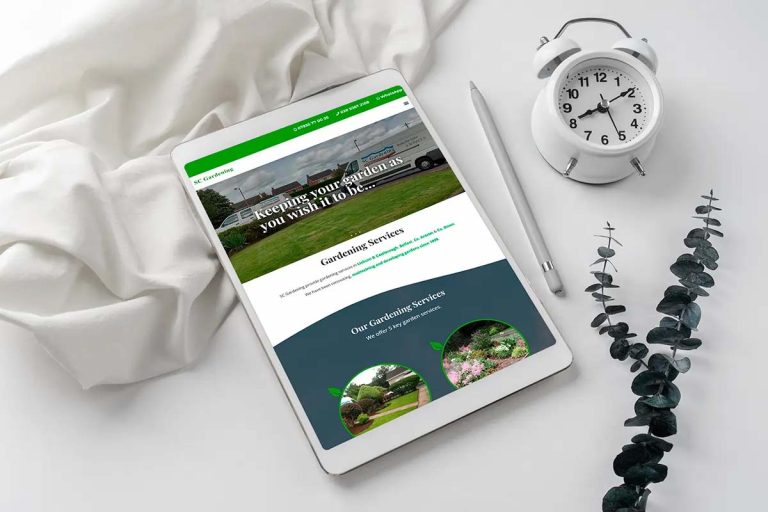
SC Gardening |
Gardener Lisburn |
Google Page 1 – Position 2 |
|
SC Gardening |
Gardener Belfast |
Google Page 1 – Position 5 |
|
Labour Based Solutions |
Rail & Construction Labour Recruitment |
Google Page 1 – Position 1 |
|
Azou |
North African Restaurant London |
Google Page 1 – Position 4 |
|
Haweli |
Indian Restaurant Hammersmith |
Google Page 1 – Position 3 |
|
Haweli |
Best Indian Restaurant Hammersmith |
Google Page 1 – Position 5 |
|
Acen Solar |
Solar Panel Installer Brentwood |
Google Page 1 – Position 7 |
|
Acen Solar |
Solar Panel Installer Wanstead |
Google Page 1 – Position 1 |
|
Expert Shop Front |
Shop Front Fitters North London |
Google Page 1 – Position 7 |
|
Expert Shop Front |
Shop Front Fitters East London |
Google Page 1 – Position 5 |
|
Expert Shop Front |
Shop Front Fitters West London |
Google Page 1 – Position 3 |
|
Expert Shop Front |
Shop Front Fitters South London |
Google Page 1 – Position 4 |
|
Showtime Fireworks |
Fireworks Shop Hounslow |
Google Page 1 – Position 3 |
|
Showtime Fireworks |
Buy Fireworks Isleworth |
Google Page 1 – Position 3 |
|
Showtime Fireworks |
Online Fireworks Shop London |
Google Page 1 – Position 8 |
Helping businesses rank page 1 of Google.
Just a few examples of the Google Page 1 ranking we have achieved for our clients.
We have ranked many more businesses for popular keyword phrases in Google organic search results.
- 20+ YEARS OF SEO EXPERIENCE
- LONDON-BASED SEARCH OPTIMISATION EXPERTS
- RESULT-DRIVEN SEO STRATEGIES WITH CLEAR, FAIR PRICING
- Your data is encrypted and never shared.
Last Updated: 01/07/2024
Different Colour Productions Ltd (“we,” “us,” or “our”) is committed to protecting your privacy. This Privacy Policy outlines our practices concerning the collection, use, and disclosure of personal information when you visit our website or engage with our services. By using our website and services, you consent to the terms outlined in this Privacy Policy.
1. Information We Collect
We collect various types of information to provide and improve our services. The types of information we may collect include:
1.1. Personal Information: This may include your name, email address, phone number, and any other information you provide when you contact us, request information, or subscribe to our newsletter.
1.2. Log Data: When you visit our website, we automatically collect information, such as your IP address, browser type, pages visited, and the time and date of your visit.
1.3. Cookies and Similar Technologies: We use cookies and other tracking technologies to improve your experience on our website. You can adjust your browser settings to reject cookies or be alerted when cookies are being used.
2. How We Use Your Information
We use the collected information for various purposes, including:
2.1. Providing Services: To provide web design and related services you have requested from us.
2.2. Communication: To respond to your inquiries, send updates, and provide customer support.
2.3. Analytics: To analyse and improve our website and services, as well as monitor usage patterns.
3. Information Sharing and Disclosure
We do not sell or rent your personal information to third parties. However, we may share your information with third parties under the following circumstances:
3.1. Service Providers: We may share your information with trusted service providers who help us deliver our services, such as hosting providers, analytics providers, and marketing services.
3.2. Legal Obligations: We may disclose your information when required by law, to comply with legal processes, or to protect our rights, privacy, safety, or property.
4. Your Choices
You have choices regarding your personal information:
4.1. Access and Update: You can access and update your personal information by contacting us.
4.2. Marketing Communications: You can opt out of receiving marketing communications from us by following the unsubscribe instructions in our emails or emailing info@dcpweb.co.uk
5. Security
We take appropriate measures to protect your personal information from unauthorised access, disclosure, alteration, or destruction.
6. Links to Other Websites
Our website may contain links to third-party websites. We are not responsible for the privacy practices of these websites. We recommend reviewing their respective privacy policies.
7. Changes to this Privacy Policy
We may update this Privacy Policy from time to time to reflect changes in our practices. Any changes will be posted on this page, and the date at the top will indicate the latest update.
8. Contact Us
If you have any questions or concerns about this Privacy Policy or our practices, please contact us at: info@dcpweb.co.uk
By using our website and services, you acknowledge that you have read and agree to this Privacy Policy. Different Colour Productions Ltd is committed to safeguarding your personal information and respecting your privacy rights.
SEO Services Overview
We help businesses rank higher in Google search.
Website SEO Audit
Make sure your website is optimised for search engines by completing a comprehensive website SEO audit.
Website SEO Audit Overview
A website SEO audit is a systematic evaluation of a website's search engine optimisation (SEO) performance and its various elements.
The primary goal of an SEO audit is to identify areas where a website can be optimised for better visibility in search engine results pages (SERPs), improved organic traffic, and ultimately, higher search engine rankings.
Key components and processes involved in a website SEO audit
Keyword Analysis: An SEO audit begins with an analysis of the website's keyword strategy. This includes identifying the target keywords and phrases for which the website should rank. Auditors assess keyword relevance, search volume, and competition.
On-Page SEO Assessment: This involves evaluating the on-page elements of the website's pages, including title tags, meta descriptions, header tags (H1, H2, H3, H4 etc.), and keyword usage. The audit checks for proper keyword optimisation and the presence of any duplicate content issues.
Content Evaluation: SEO Auditors assess the quality, relevance, and uniqueness of the website's content. This includes examining blog posts, articles, product descriptions, and other textual content. They may also look for opportunities to create new content or update existing content to better align with user intent and SEO best practices.
Technical SEO Analysis: This aspect of the audit involves checking the website's technical infrastructure for issues that could hinder search engine crawling and indexing. Common technical SEO elements examined include XML sitemaps, robots.txt files, canonical tags, URL structure, site speed, and mobile-friendliness.
Backlink Analysis: Auditors examine the website's backlink profile to evaluate the quality and quantity of inbound links. They identify potentially harmful or toxic links that could negatively impact SEO rankings and assess the overall authority and trustworthiness of the website.
Site Architecture and Navigation: Auditors review the website's navigation and site structure to ensure that it is user-friendly and search engine-friendly. Properly organised content and intuitive navigation can improve user experience and SEO rankings.
Local SEO (if applicable): For businesses with physical locations, an SEO audit may include a local SEO assessment, which involves evaluating the website's presence in local search results, including Google My Business optimisation, NAP consistency (Name, Address, Phone), and local citations.
Mobile Optimisation: With the growing importance of mobile devices, auditors assess how well the website performs on smartphones and tablets, including factors like responsive design and mobile load times.
Site Security: Auditors check for security issues that can affect SEO, such as SSL certificate installation, ensuring the website is served over HTTPS, and protecting against security vulnerabilities.
Competitor Analysis: Sometimes, an SEO audit involves analysing the SEO strategies of competitors to identify opportunities and gaps.
After conducting a website SEO audit, the results typically include a detailed report outlining the strengths and weaknesses of the website's current SEO performance.
The report includes recommendations and actionable steps to address identified issues and improve the website's SEO.
Regular SEO audits are crucial for maintaining and enhancing a website's search engine visibility in a constantly evolving online landscape.
Technical SEO
Technical SEO is used to analyse your website speed, mobile optimisation, indexability, URL structure and much more.
Technical SEO Overview
Technical SEO refers to the process of optimising a website's technical elements and infrastructure to improve its search engine visibility and overall performance in search engine results pages (SERPs).
Unlike on-page SEO, which focuses on content and keyword optimisation, technical SEO deals with the behind-the-scenes aspects of a website that affect its ability to be indexed and ranked by search engines. Here are some key components of technical SEO:
Website Speed and Performance: Fast-loading websites are favoured by both users and search engines. Technical SEO involves optimising page load times by reducing unnecessary code, compressing images, utilising browser caching, and minimising HTTP requests.
Mobile Optimisation: With the increasing use of mobile devices, technical SEO includes ensuring that a website is mobile-friendly and responsive. Google's mobile-first indexing means that Google predominantly uses the mobile version of a site for ranking and indexing.
Crawlability and Indexability: Search engine bots (e.g., Googlebot) need to be able to crawl and index your site effectively. Technical SEO ensures that there are no issues blocking access to important pages, such as incorrect use of robots.txt files or meta robot tags.
XML Sitemaps: Creating and submitting XML sitemaps to search engines helps them understand the structure of your website and prioritise indexing. Technical SEO ensures that sitemaps are correctly formatted and regularly updated.
Canonicalisation: Canonical tags are used to specify the preferred version of a URL when multiple versions with similar content exist (e.g., www vs. non-www or HTTP vs. HTTPS). Technical SEO ensures proper canonicalisation to avoid duplicate content issues.
URL Structure: Clean, descriptive URLs are favoured by search engines and users alike. Technical SEO addresses URL structure to make them more readable and relevant.
Schema Markup (Structured Data): Implementing structured data markup (using schema.org) can provide search engines with additional context about your content, helping them display rich snippets in SERPs.
SSL/HTTPS: Securing your website with an SSL certificate to enable HTTPS is not only a ranking factor but also essential for user trust and data security. Technical SEO ensures proper implementation.
Redirects: Properly managing redirects (e.g., 301 redirects for permanent page moves) is crucial to avoid broken links and ensure that search engines pass link equity to the correct pages.
Pagination and Pagination Tags: For websites with paginated content, technical SEO involves using rel="next" and rel="prev" tags to indicate the relationship between pages and avoid duplicate content issues.
International SEO: For websites with a global audience, technical SEO includes implementing hreflang tags to indicate language and regional targeting.
Server and Hosting Optimisation: Ensuring that your web server and hosting environment are reliable, scalable, and provide adequate resources for your website's needs is another aspect of technical SEO.
Security: Implementing security measures such as regular security audits, firewalls, and intrusion detection systems to protect against hacking attempts and data breaches is crucial for both SEO and user trust.
Technical SEO is an essential foundation for a successful SEO strategy. By addressing these technical aspects, website owners can ensure that their content is indexed properly, loads quickly, and provides a positive user experience, all of which contribute to higher search engine rankings and improved visibility in search results.
Keyword Research
Find the best keyword phrases to generate qualified traffic and rank higher in search engine results.
Keyword Research Overview
Keyword research is the process of identifying and analysing specific words and phrases (keywords) that people use when searching for information, products, or services on search engines like Google, Bing, or Yahoo.
This research is a fundamental part of search engine optimisation (SEO) and content marketing strategies. Here's a breakdown of the key aspects of keyword research:
Identifying Keywords: The first step in keyword research is to brainstorm and compile a list of potential keywords and phrases that are relevant to your website, business, or content. These keywords should reflect the topics and themes you want to target.
Keyword Analysis: Once you have a list of potential keywords, you need to analyse them. This involves assessing their search volume (how often they are searched for), keyword difficulty (how competitive they are), and relevance to your content or business.
Competitor Analysis: It's essential to examine what keywords your competitors are targeting. This can provide insights into gaps in your content strategy and help you identify keywords that could give you a competitive advantage.
Long-Tail Keywords: In addition to broad keywords, consider long-tail keywords. These are longer, more specific phrases that often have lower search volume but can be valuable because they tend to attract highly targeted traffic with a higher likelihood of conversion.
Keyword Intent: Understand the intent behind different keywords. Some keywords indicate informational intent (searchers are looking for information), while others suggest transactional intent (searchers want to make a purchase). Tailor your content and SEO strategy accordingly.
Keyword Mapping: Organise your keywords into groups or clusters based on their relevance and intent. This helps you create a content structure that aligns with your keyword strategy.
Keyword Tools: There are various keyword research tools available, both free and paid, that can help you streamline the research process. Google Keyword Planner, Ahrefs, SEMrush, and Moz are some popular options.
Content Strategy: Use your keyword research findings to guide your content creation. Create high-quality, informative, and engaging content that incorporates your chosen keywords naturally.
Tracking and Analysis: After implementing your keyword strategy, monitor your website's performance in search results. Track rankings, traffic, and conversions to assess the effectiveness of your chosen keywords and make adjustments as needed.
Keyword research is an ongoing process. As search trends, user behaviour, and your business evolve, you may need to update your keyword strategy to remain competitive and relevant. Effective keyword research is crucial for improving your website's visibility in search engine results and attracting the right audience to your content or business.
Keyword Optimisation
Optimise page titles, header tags, meta descriptions and page content for better search engine rankings.
Keyword optimisation Overview
Keyword optimisation, also known as keyword targeting, is the method of strategically selecting and using specific keywords and phrases in various elements of a website, content, or digital marketing materials with the goal of improving search engine rankings and attracting relevant organic traffic from search engine result pages like Google.
Placing the keyword phrases in the correct locations and prominence can greatly improve a website page's ranking.
Understanding the fundamental structure of a website page is an important factor for keyword optimisation.
SEO Content Writing
Achieve better search engine rankings with optimised SEO content that targets customers for the services or products you sell.
SEO Content Writing Overview
SEO content writing, or search engine optimisation content writing, is a specialised form of writing that focuses on creating online content (such as articles, blog posts, web pages, and product descriptions) that is optimised for search engines. The primary goal of SEO content writing is to improve a website's visibility in search engine results pages (SERPs) for specific keywords and phrases relevant to the website's niche or industry.
SEO content writing is fundamental for ranking higher in Google search results.
A simple tip to remember: Google's primary goal is to give the user the best results for a given search query, it should be your goal to have the best and most up-to-date and informative page on a given search term. This will result in your website page having a better chance to rank higher in Google results pages.
SEO Link Building
High quality websites that link to your website content can help improve your search engine rankings.
SEO Link Building Overview
Link building, also known as backlink building, is a fundamental aspect of search engine optimisation (SEO). It refers to the practice of acquiring hyperlinks (links) from other websites to your own.
These links are commonly referred to as "backlinks" or "inbound links," and they play a significant role in determining a website's authority, trustworthiness, and search engine rankings. Here are the key points to understand about link building:
Authority and Trust: Search engines like Google consider backlinks as a vote of confidence from one website to another. When a reputable and authoritative website links to your content, it signals to search engines that your content is valuable and trustworthy.
Rankings: Backlinks are a critical ranking factor in search engine algorithms. Websites with a greater number of high-quality backlinks tend to rank higher in search engine results pages (SERPs) for relevant keywords.
Relevance: The relevance of the linking website to your content matters. Backlinks from websites that are topically related to your content are typically more valuable. For example, a backlink from a technology blog to a tech-related article on your website carries more weight than a link from an unrelated site.
Natural vs. Unnatural Links: Search engines aim to rank websites based on the quality and relevance of their content. They frown upon manipulative link-building practices, such as buying links or engaging in link schemes. Natural links earned through valuable content and genuine relationships are favoured.
Anchor Text: The text used in the hyperlink (anchor text) can influence the context and relevance of the link. Optimising anchor text to include relevant keywords can be beneficial for SEO, but it should be done naturally and not excessively.
Diversity: Building a diverse backlink profile with links from different sources, including websites, blogs, social media, and directories, can be more effective than relying solely on one type of link.
Quality Over Quantity: The quality of backlinks is more important than the quantity. A few high-quality, authoritative backlinks can have a more significant impact on SEO than many low-quality links.
Link Earning vs. Link Building: While active link-building efforts involve proactively reaching out to websites for links, link-earning involves creating exceptional content that naturally attracts backlinks. A combination of both strategies is often effective.
Common link-building tactics include guest blogging, creating valuable and shareable content, reaching out to influencers in your industry, participating in industry forums and discussions, and building partnerships with relevant websites.
It's important to note that link-building should be conducted ethically and in accordance with search engine guidelines. Engaging in spammy or manipulative practices can lead to penalties and harm your website's SEO efforts. A strategic and ethical approach to link building can help improve your website's authority, traffic, and search engine rankings over time.
Social Signals
Improve the indexing and visibility of your website content by posting on social media websites.
Social Signals Overview
Social signals are indicators or actions taken by users on social media platforms that communicate interest or engagement with your business.
These can include:
Likes, Shares, and Comments: These are the most common forms of social signals. When users like, share, or comment on content, it indicates engagement and popularity. These actions can help boost the visibility of content on social media platforms due to their algorithms.
Follows and Subscriptions: Gaining followers or subscribers is also a significant social signal. It represents a long-term interest in the content you produce, beyond a one-time interaction.
Mentions and Tags: When users mention or tag others in posts or comments, it extends the reach of the content to other networks, which can be particularly valuable for spreading information and gaining visibility.
Social Listening: This refers to the process of monitoring social conversations around specific topics. It helps brands and individuals understand what is being said about them or their industry across social media platforms.
In digital marketing, social signals are often considered to influence search engine rankings indirectly.
While the direct impact on SEO rankings is debatable, social signals can lead to more direct traffic, increased visibility, and greater content reach, which can affect SEO indirectly by bringing more visitors to a site and increasing brand exposure.
SEO Reporting
Understanding how an SEO strategy is performing is essential for search engine optimisation.
SEO Reporting Overview
SEO reporting refers to the process of gathering, analysing, and presenting data related to a website's search engine optimisation (SEO) performance. The purpose of SEO reporting is to provide insights into how well an SEO campaign or strategy is working, track progress over time, and make data-driven decisions to improve search engine rankings and organic traffic. Here are the key components and aspects of SEO reporting:
Data Collection: SEO reporting starts with collecting data from various sources, including SEO tools, web analytics platforms (e.g., Google Analytics), and search engine consoles (e.g., Google Search Console). This data encompasses a wide range of metrics related to website performance, including rankings, traffic, backlinks, on-page elements, and more.
Key Performance Indicators (KPIs): Define the key metrics and KPIs that are most relevant to your SEO goals. Common KPIs in SEO reporting include organic traffic, keyword rankings, click-through rates (CTR), conversion rates, and the number of backlinks.
Timeframes: SEO reporting often involves comparing data over specific timeframes, such as monthly, quarterly, or annually. This allows you to identify trends and measure progress.
Data Analysis: Interpret the collected data to uncover patterns, trends, and areas for improvement. Analysing the data can help you understand what's working well and what needs attention in your SEO strategy.
Competitor Analysis: In addition to analysing your own performance, it's valuable to assess how your website compares to competitors in terms of rankings, traffic, and other relevant metrics. This competitive analysis can inform your SEO strategy.
Custom Reports: Create customised reports that present the data in a clear and actionable format. These reports may include charts, graphs, tables, and narrative summaries to help you understand the findings.
Goal Tracking: Align your SEO reporting with specific goals and objectives. For example, if your goal is to increase organic traffic by a certain percentage, track progress toward achieving that goal.
Actionable Insights: The ultimate purpose of SEO reporting is to provide actionable insights. Based on the data and analysis, identify areas where improvements can be made in your SEO strategy. These insights can inform content creation, technical changes, and link-building efforts.
Performance Trends: Monitor performance trends over time to assess the impact of changes and optimisations made to your website and SEO strategy. Identify which tactics are driving positive results and which may need adjustments.
Communication: Share the SEO reports with relevant stakeholders, such as clients, team members, or management. Effective communication of the findings and recommendations is crucial for collaboration and decision-making.
Continual Improvement: Use the insights gained from SEO reporting to refine and enhance your SEO strategy. SEO is an ongoing process, and regular reporting helps ensure that your efforts are aligned with your goals and the ever-changing landscape of search engines.
SEO reporting plays a vital role in demonstrating the value of SEO efforts, tracking progress toward objectives, and guiding data-driven decision-making to improve a website's search engine rankings and overall online visibility.
London SEO Company
20 years of search engine optimisation experience.
Are you looking for a London-based Internet Marketing Agency that can provide you with a range of marketing strategies and Search Engine Optimisation services? DCP SEO London Agency with over 20 years of internet marketing experience and knowledge. If you want to rank your website high in popular search engines, then you need an SEO plan. Our goal at DCP is to help you find new customers using the best white-hat SEO techniques. There is no quick fix for ranking high in search engines, it takes time and effort to create high-quality written articles, engaging visuals and multimedia content. Amazing content will help you get more exposure for your business and help you to gain quality backlinks to your website which will improve your website search engine rankings.


Our SEO Company London team will assist you in creating awesome content so you can focus on your daily core business tasks.
DCP’s marketing team will help you to research the best competitive keywords, local keywords and long-tail keywords. Using a mixture of keyword types will help to get your website ranking quicker in popular search engines. In-house SEO experts will plan out a monthly strategy for written content, social media content, image-based content, downloadable content and video content so you can get exposure on different platforms and keep your social media visitors engaged.
Our outreach team will plan a campaign for blog guest posts to get quality backlinks, which will also improve your search engine rankings. We will encourage visitors to share your content via social media by implementing social media sharing tools. This will help to improve traffic to your business website and capture more potential sales leads.
If you need a professional London-based SEO Agency, then simply contact the DCP search engine optimisation team today at 07838 678 770 or 0203 539 4415 for a free SEO consultation.
Take advantage of our free 2-hour SEO consultancy.

SEO & Internet Marketing Blog Post
Start learning something new today!
Free access to over 500+ video tutorials, Infographics and Articles.

- Articles, Artificial Intelligence - AI, Website Design

- Articles, Business Tips, Website Design

- Articles, Website Design

- Articles, Website Design

- Articles, Website Design

- Articles, Graphic Design, Website Design