

While PPC advertising is claimed to be the best way to acquire targeted traffic to a site, failure to optimise it well will render it expensive and result in colossal losses. optimising PPC ad campaigns can boost the return on investment and get every bit of conversion out of the campaign. The following are eight ways to refine your PPC approach and have it work.
Create a Media Buying and Planning System
If executed correctly, media planning and buying will have your PPC campaigns cost-efficient, data-driven, and in tune with your business goals. Buying media is about advertising space purchasing while planning media is scheduling where, when, and how to place your budget to make the most significant impact.
Using programmatic ads and automation technologies, companies can optimise ad spending and guarantee that their message reaches the desired audience at the right moment. Google Display Network, Facebook Audience Network, and third-party ad exchanges provide alternatives for pages to deliver ads on website sites, social media, and mobile apps. A system for media buying and planning using data analytics in fine-turning media buying strategies has also become continuous.
Advertisers can, through analysis of performance metrics, modulate their bids, reallocate budgets, and fine-tune their targeting toward maximised efficiency. Testing different media types, namely, search, display, video, and social, has also helped to identify the most important channels to direct ad spend.
Define Clear and Measurable Goals

It is important to set specific and quantifiable goals for each PPC campaign; without goals, one cannot measure success meaningfully. Therefore, the campaign’s target must be established before it is created. Do you require generating more leads and sales or establishing your brand presence? All of these goals are based on a unique tactic and performance metrics (KPI), e.g., conversion rate, click-through rate (CTR), and cost per acquisition (CPA).
With these goal metrics defined at the beginning, adjusting your ad strategy accordingly and spending your budget wisely will be easy. Also, with knowledge of the customer journey, you would create targeted ads that relate to user intent. An example would be that an e-commerce business might gauge success based on conversions, assigning one KPI based on the number of completed purchases. At the same time, a service-based company might concentrate on lead generation.
Similarly, businesses using Amazon PPC services may focus on goals such as increasing product visibility, launching new items, or reducing advertising cost of sales (ACoS). Their KPIs often include return on ad spend (ROAS), click-through rate (CTR), and total attributed sales. By setting specific targets upfront, sellers can better manage budgets, optimize campaigns, and improve performance across Amazon’s highly competitive marketplace.
Quality Landing Pages for High Results
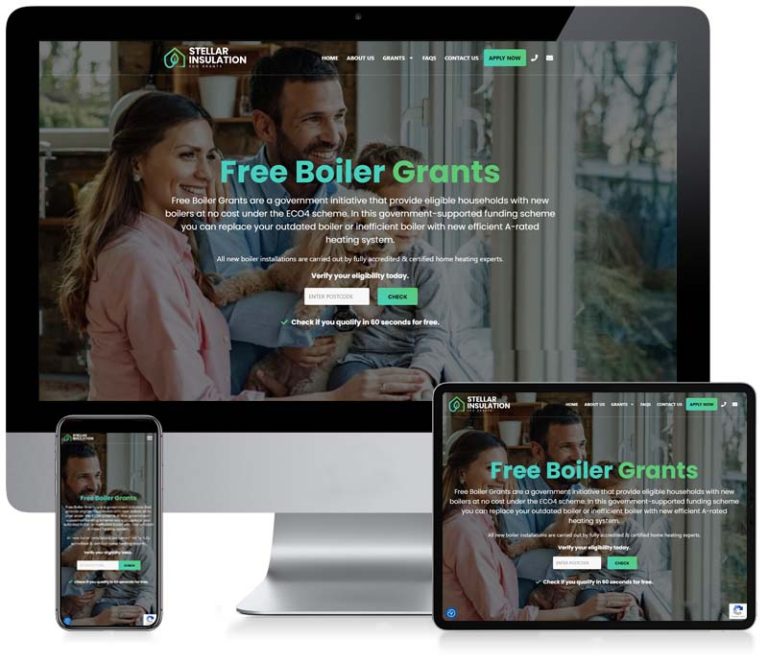
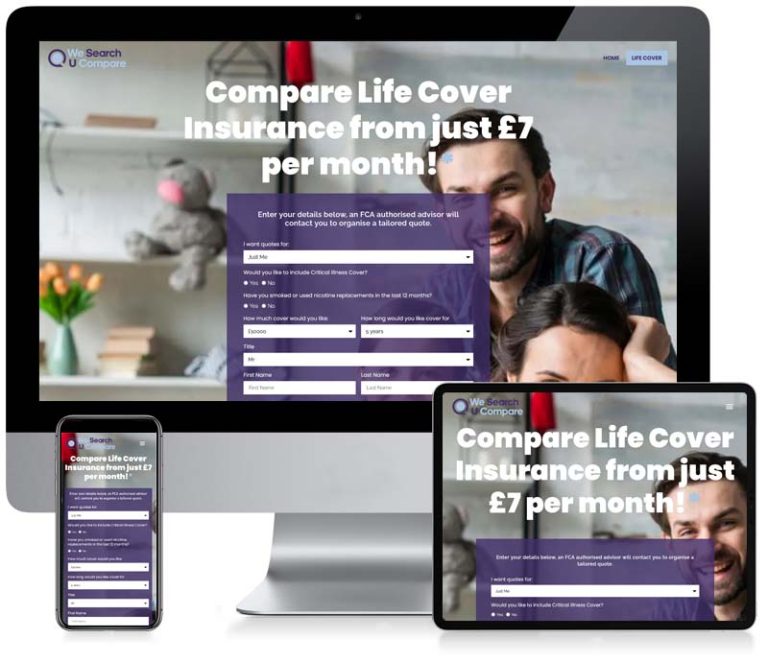
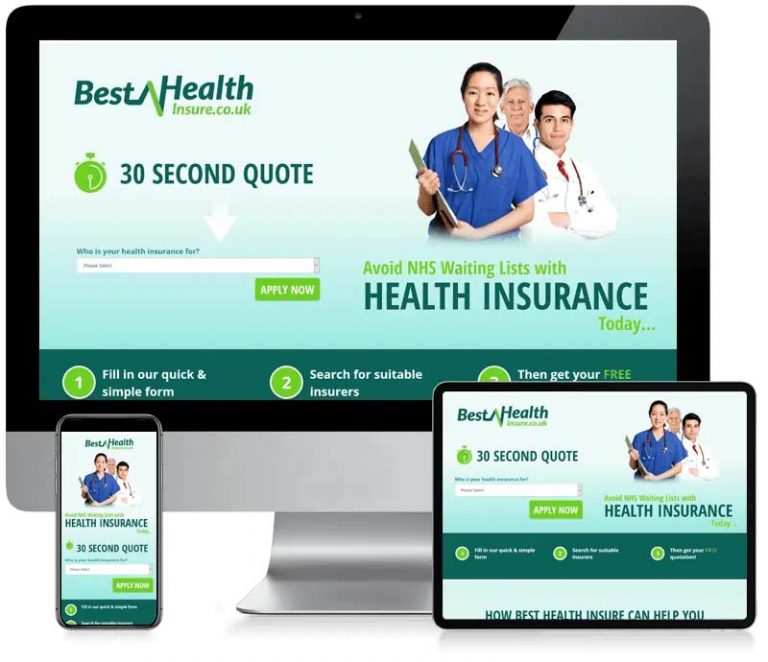
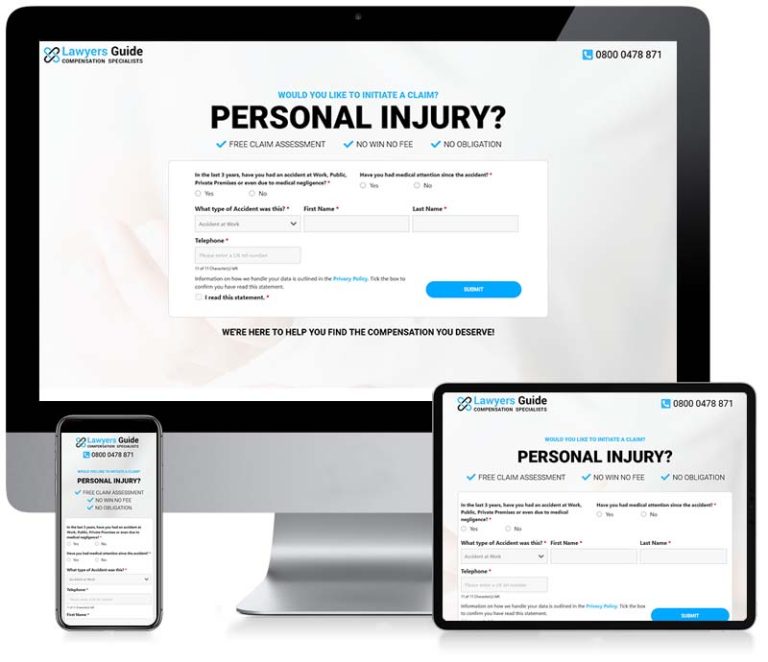
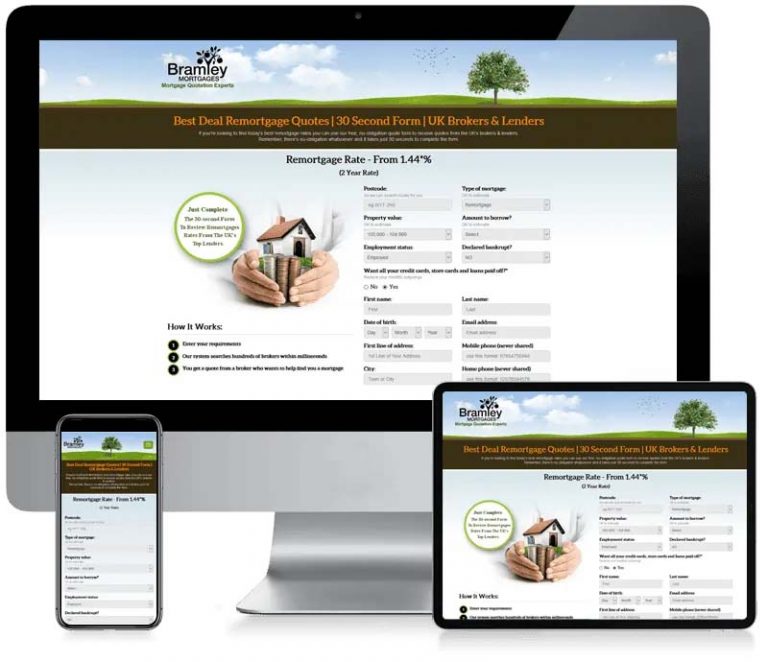
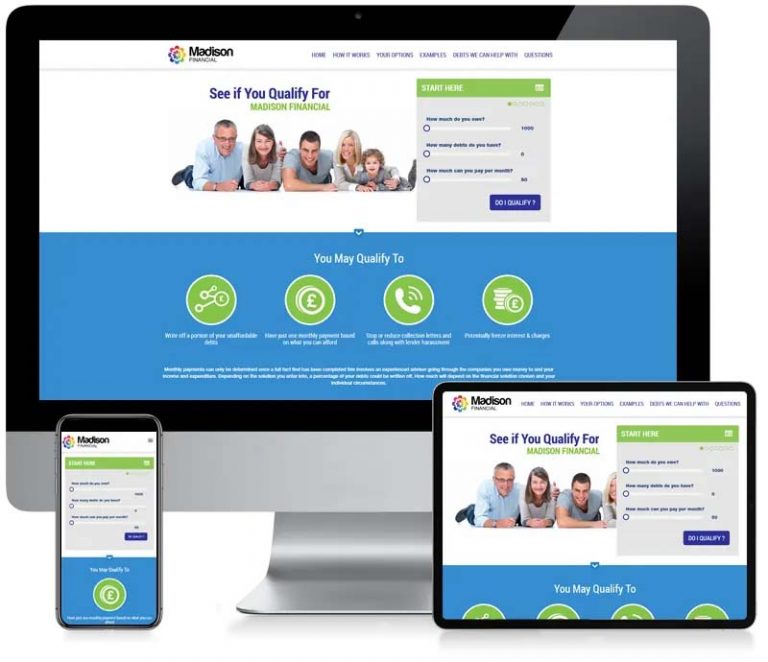
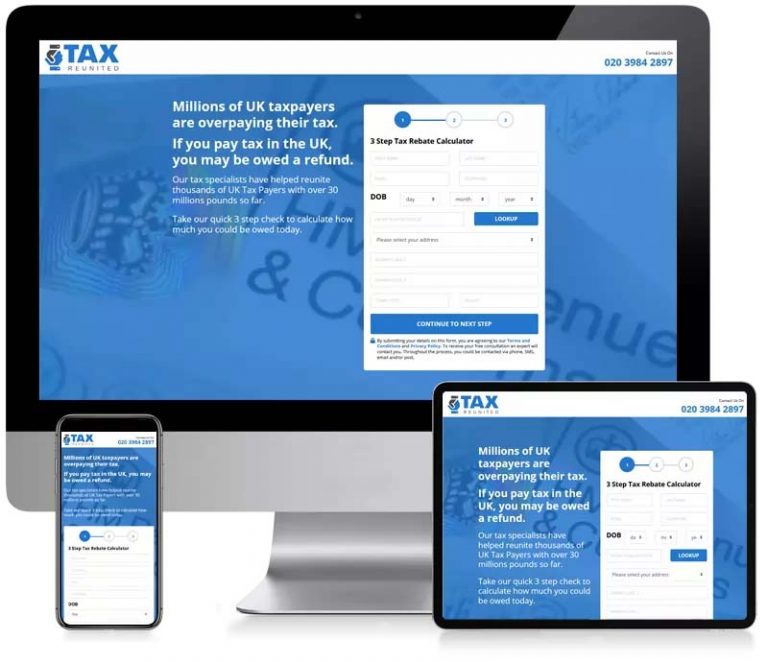
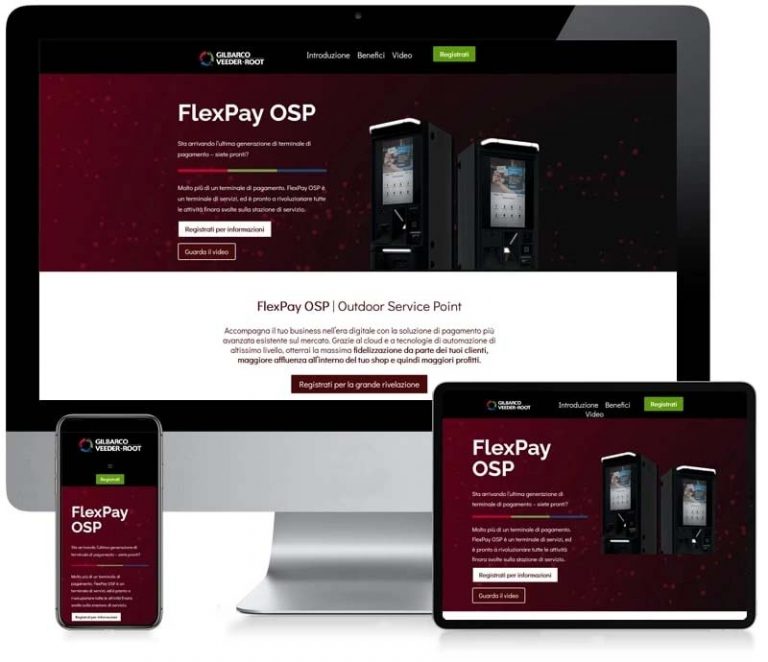
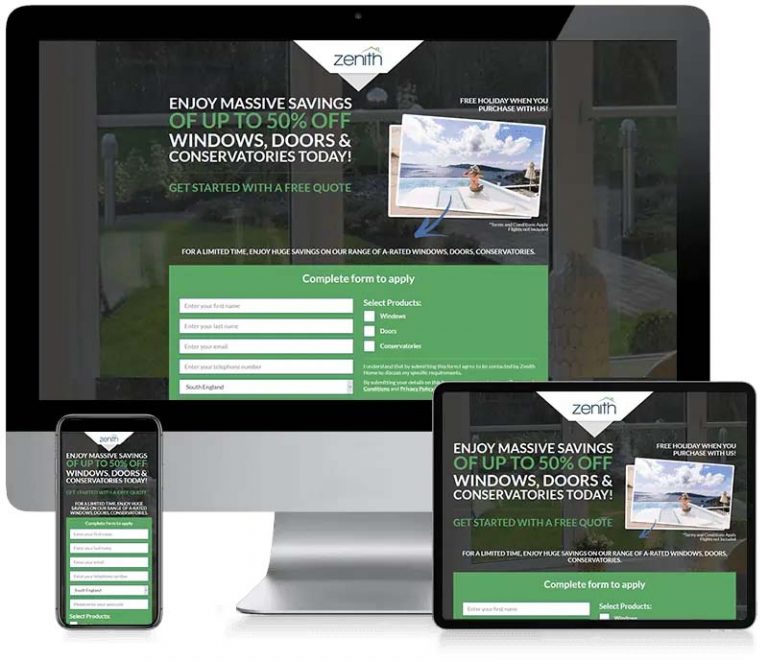
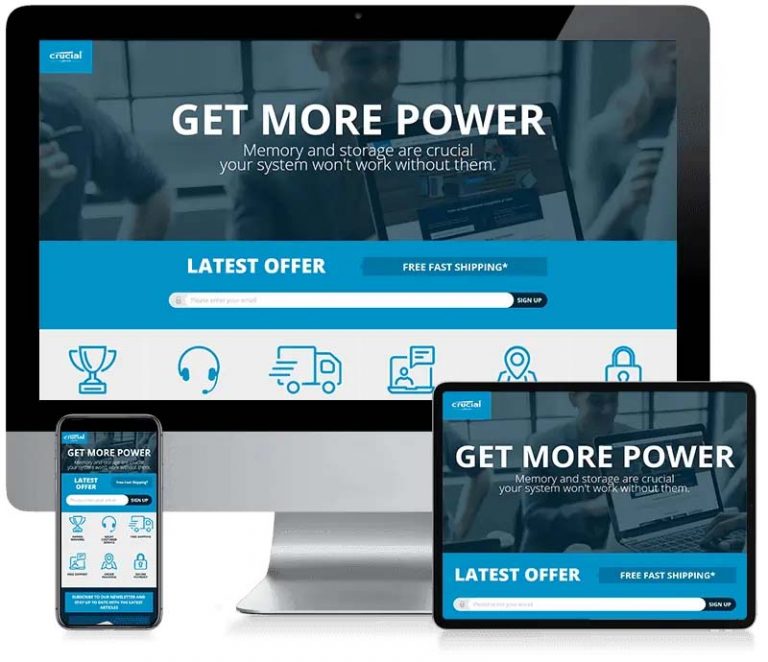
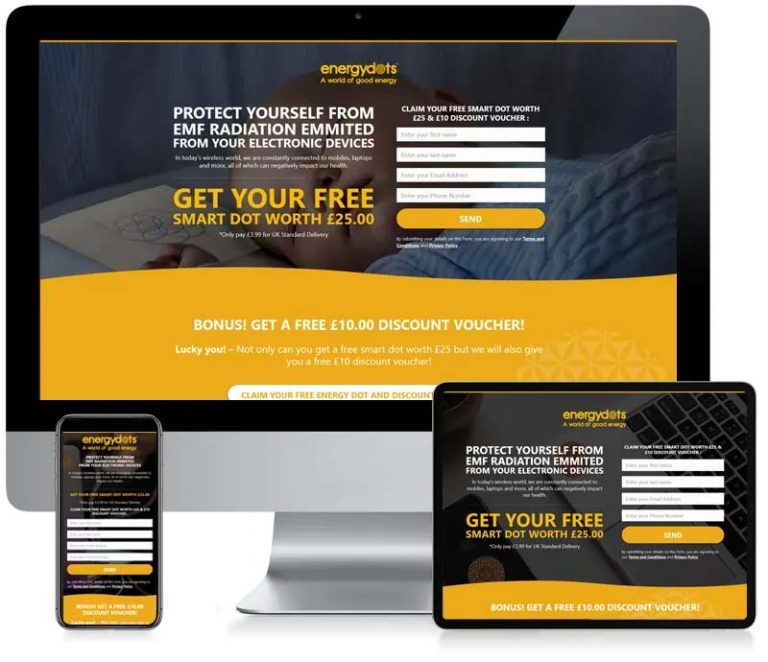
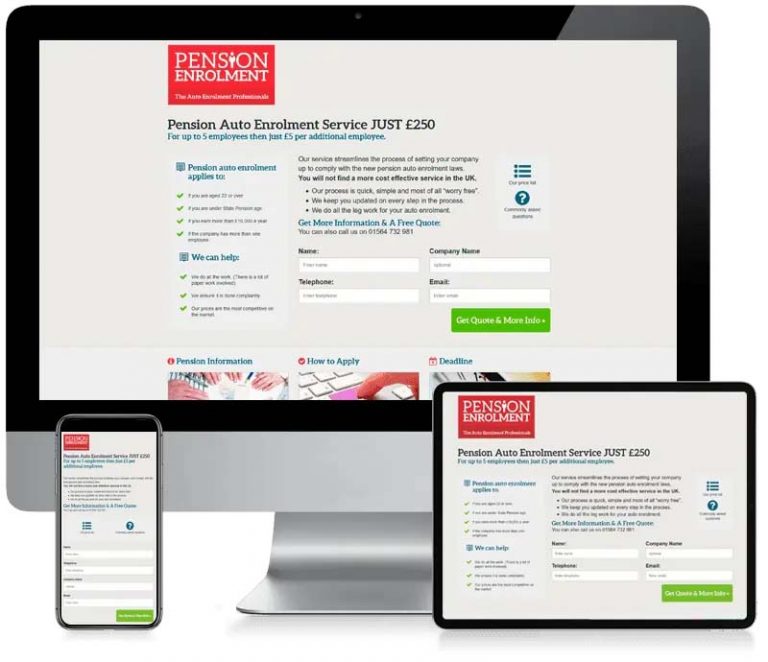
A well-optimised landing page or state page is significant for a PPC campaign to convert visitors into leads or sales. Instead of sending paid traffic to a generic homepage that dilutes the campaign’s strength, the ad should always direct users to a highly relevant, conversion-oriented landing page.
An effective landing page must contain a good and compelling headline that is very much related to the ad copy, a concise and compelling message, and a prominent call-to-action (CTA). Another essential factor is that page speed loading time is too long for your landing page, so your potential customers may abandon it before taking action. Trust signals (such as customer testimonials, security badges, and reviews) can give it extra weight and help sustain conversions. A/B test variations of the page change the placement of CTAs, their colour, or even the text, providing insights into what drives the highest conversions.
Leverage Keyword Intent for PPC Campaigns

Not all keywords yield the same results. Some keywords are informational, meaning that the users seek knowledge, whereas others show intent to buy. Using high-intent keywords can be quite beneficial in improving PPC conversions, these search queries show a user is on the verge of deciding to act on the search.
For example, while someone searching for “best running shoes” is likely to be more in the research phase, a user searching for “buy Nike running shoes online” would be much closer to making a purchase.
Long-tail keywords, which are more specific and often have transactional phrases attached, generally convert better than broad generic keywords. Advertisers can find proper high-intent keywords using tools like Google Keyword Planner, SEMrush, or Ahrefs.
The deployment of negative keywords (words that relate to offerings of no relevance) also hinders wheels-spinning ad spending from filtering redundant traffic out.
Utilise Ad Extensions

Ad extensions make your ads more visible and used effectively by providing extra information like location, pricing, telephone numbers, and site links. Providing customers with vital information that can be examined without clicking on the ad allows for a better experience, boosting the chance of a conversion.
Callout extensions highlight key advantages; structured snippets show the specifics of your business; lead form extensions gather potential leads right from an ad itself. Ads using extensions are further rewarded by Google by gaining better places on SERPs, resulting in better visibility and higher engagement.
To maximise results, businesses should try multiple extensions that align with their campaign objectives and regularly analyse performance metrics. In doing so, better-structured ad extensions could reduce CPC whilst seeing significantly more significant ROI.
Adjust Bids Based on Device Performance

Consumers have different ways of interacting with online ads, depending on their device. Mobile users may have a shorter attention span requiring concise messaging, while desktop users dissect longer-content messages.
With a detailed analysis, an advertiser can decide how to distribute the advertising budget between different devices, allocating more funds to the higher-performing device. For instance, campaigns achieving better conversion rates from mobile users will provide a helpful pivot point for increased mobile bid adjustments to capture a larger share of traffic.
On the other hand, if desktop users are determined to be responsible for generating high-value leads, the budget distribution should pivot accordingly, which should be ideal for return on investment. Such practices as optimising the mobile landing pages, ensuring they load quickly, and employing some device-adaptive ad creatives can enhance user experience and conversions.
Use Retargeting to Capture Lost Leads

Retargeting, or remarketing, allows reconnecting to users who had already visited your site but failed to convert. The reality is that most visitors never make any purchases or want to engage with your lead forms during their initial visit, so it stands to reason that remarketing ads would serve as a reminder to come back and do whatever you want them to do.
Both Google Ads and Facebook Ads possess robust retargeting capabilities. Hence, companies can target particular audiences based on the web behavior of the users, i.e., individuals who abandoned shopping carts or looked at specific product pages.
The ability to provide a customised message, even using limited-time offers or displaying something looked at previously, can increase conversions. Not only that, dynamic retargeting automatically shows those who have visited your site the most relevant products based on their past activity and can help give your ads an added lift.
Through audience segmentation, sharpening of targeting, and improving ad creatives, businesses can keep improving their retargeting ROI and dream of recovering lost revenues by converting hesitant visitors into loyal customers.
Automate Campaigns with AI and Machine Learning

Automation is revolutionising PPC management by leveraging AI and machine learning to optimise active campaigns. AI tools will also analyse the data wherein vantage AI forms adjustments in the ads while being hinged on predictions.
Google Ads Smart Bidding is yet another classic example. AI could quit manual inputting for bids. This automated solution would examine inputs such as statistical significance and automated changes relative to its behavior toward conversion or otherwise.
AI can automate audience segmentation, wherein the ads correspond with specific details based on demographic and behavioral profiles. Automated rules could help marketers stop ads that fall below optimal, reinvigorate budgets toward the highest sales volume, and rewrite ad copies comparing performance.
By taking up AI-driven automation, business organisations would worry less about how much time they spend on uninteresting activities, less human error, and competent campaign execution.
While AI propels PPC management, regular monitoring of performance and some strategic adjustments are necessary to keep in tune with business goals to get the most value from ad spend.
Conclusion
Optimising PPC campaigns is an ongoing process that blends strategic planning, ongoing testing, and data-sensitive adjustments. The eight strategies discussed above would help businesses optimise ad performance, minimise costs, and enhance conversion rates.
Long-term success will be assured by following industry trends and continually analysing the performance metrics. Proactive optimisation management is essential to give advertisers a value-for-money return on investment in their digital marketing activities and fuel long-standing growth.