
Creating double exposure art has never been easier, thanks to Photoleap. I’ve discovered that this app transforms photo editing from a complex chore into an exciting creative venture. With Photoleap, you can blend two images seamlessly to produce breathtaking double exposures that captivate viewers.
Photoleap provides tools that anyone can use, from beginners to experienced photographers. It allows me to explore my creativity and create stunning visuals by merging photos in imaginative ways. Whether you’re interested in creating fantasy scenes or simply adding artistic flair to your photos, this app is a versatile asset.
As I navigated through the features of Photoleap, I found that its user-friendly interface and advanced options set it apart. The app offers not just double exposure features but a suite of tools that open endless creative possibilities. Explore more at https://www.photoleapapp.com/.
Key Takeaways
- Photoleap simplifies double exposure creation.
- User-friendly tools cater to all skill levels.
- Offers endless possibilities for creative photography.
Understanding Double Exposure Photography
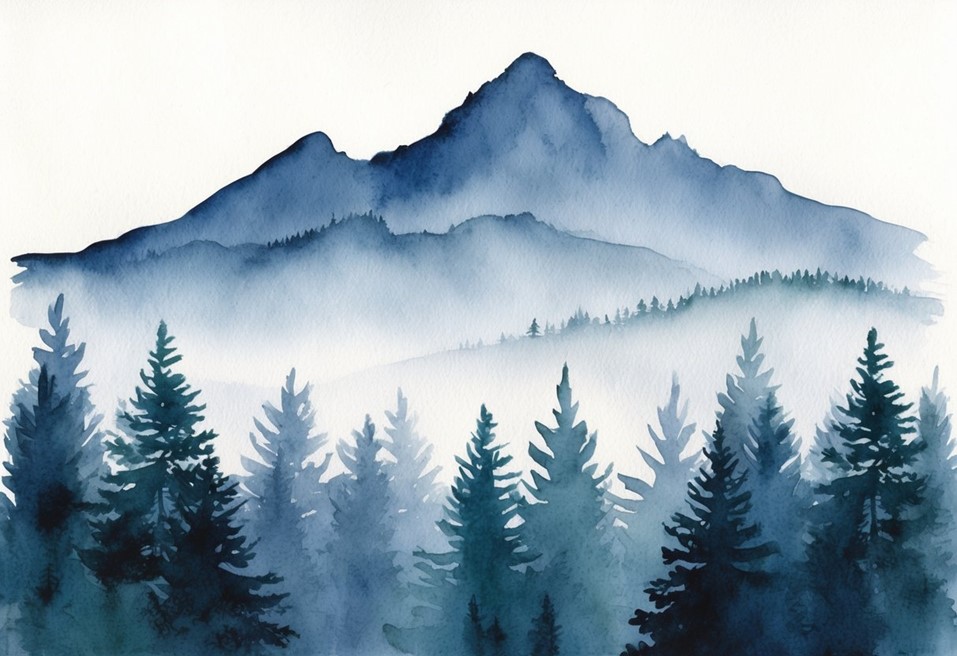
Creating double exposure art combines two images to form a single, visually striking picture. This technique has roots in film photography but has evolved with digital methods, making it accessible for modern artists.
Origins and Basics
I am always fascinated by the origins of double exposure photography, which began with film cameras. Photographers would expose the same film frame twice, layering images to create one composition. This method required careful planning, as aligning the images was crucial for a balanced result.
In the early days, this technique was used to add ghosts, shadows, or faint copies of people and objects. It was both an artistic and technical challenge. The results varied, often creating unique and unpredictable images. Those early photographers had to be patient, as the film would not reveal the outcome until development, adding to the mystery and excitement of the process.
Modern Digital Techniques
With digital cameras and editing software, I now find double exposure much easier and more flexible. Tools like Photoleap offer features that allow me to effortlessly blend two images, adjusting layers, opacity, and alignment in real time. This convenience opens doors for more experimentation and creativity.
Digital editing also introduces new possibilities, such as incorporating textures, adding colors, or combining more than two images. I can simulate film effects or add entirely new elements, resulting in creative and surreal compositions. These advancements transform double exposure from a manual trick into a complex art form, letting me explore endless creative expressions.
Getting to Know Photoleap
Photoleap is a powerful app for creating double exposure effects and more. It offers a range of editing tools that make it a great choice for both beginners and experienced editors. Learning the key features and how to navigate its interface can be crucial to making the most of this app.
Key Features
Photoleap provides a lot of useful tools for creative photo editing. Double exposure is a standout feature, allowing me to blend two photos for artistic effects quickly. Beyond that, the app includes tools for creating image overlays and photo collages, which lets me combine multiple images into one seamless creation.
Its text overlay feature helps me add customised messages to images with ease. Various filters and effects let me adjust the mood and tone of my photos effortlessly. With its advanced editing options like curves and layering adjustments, Photoleap allows me to refine the tonal range and details of my pictures at a professional level. The app makes it easy to transform ordinary images into visually stunning art.
Navigating the Interface
Navigating Photoleap’s interface is simple and user-friendly. When I open the app, the toolbar provides access to all the essential editing tools through intuitive icons. I can easily find and switch between different features by tapping on the visual representations.
There’s a preview window that displays real-time edits, helping me see changes as I make them. This feature ensures I know how the final image will look before saving. Furthermore, clear labels and tutorials are readily available, guiding me step-by-step through the editing process if needed. This setup makes my editing experience smooth and efficient.
Essential Tips for Creating Double Exposures
Creating double exposure art involves blending images for unique effects. Combining the right images and using layering strategies can transform ordinary photos into captivating works of art.
Choosing the Right Images
Selecting the perfect images is crucial. Contrast and complementarity in images enhance the artistic effect. For instance, pairing a portrait with a vibrant nature scene can add both contrast and narrative depth to the final piece.
I find it helpful to use images with different lighting and content. The first image serves as the base, often a simple or darker photo, while the second can be brighter or more detailed. This technique makes the subject stand out and adds visual interest. Experimentation with different photo pairs is key to discovering striking combinations.
Layering Strategies
Effective layering is the backbone of double exposure photography. Using software like Photoleap, I blend images with precision for a seamless look. Begin by adjusting the opacity of the top layer to allow parts of the base image to show through.
Consider using blending modes such as Overlay or Screen to merge images smoothly. The method chosen can dramatically change the final outcome. Another important aspect is aligning images properly, especially when dealing with manual exposures. A tripod can aid in keeping shots aligned if you are capturing images from scratch.
Overall, experimenting with different settings and techniques is crucial in mastering the art of double exposure.
Step-by-Step Guide for Crafting Your Art
Creating double exposure art with Photoleap can be exciting and rewarding. This guide will walk you through selecting and preparing images, blending layers, and refining your composition to create stunning artwork.
Image Selection and Preparation
First, I need to choose two images. A strong base photo is essential, often a portrait, while the overlay can be anything from landscapes to abstract designs. I find it best to select images that have contrasting themes or elements to create an interesting blend.
Once chosen, I import them into Photoleap and carefully examine them for clarity. It’s important to adjust the brightness and contrast to ensure both images complement each other well. Sometimes, I crop or rotate images, focusing on key elements to highlight in the final piece. This preparation sets the stage for a seamless integration of layers.
Blending and Adjusting Layers
The next step involves layering and blending the chosen images. I start by placing the overlay image on top of the base photo. Photoleap offers various blending modes such as Multiply, Screen, or Overlay, each providing different effects.
I experiment with these modes to find the one that best enhances my vision. Adjusting the opacity of the layers helps in balancing visibility between the images. Fine-tuning these settings allows me to emphasise or hide certain parts of the overlay, giving depth and meaning to the composition.
Refining and Finalising the Composition
Once the images are blended, refining the composition is crucial. I focus on cleaning up any parts that may distract or clutter the artwork. Using Photoleap’s tools, such as the eraser or brush tools, can help in precise adjustments.
I often zoom in to make sure that edges align well and any unwanted areas are removed. Lastly, I review the colour balance, shadows, and highlights, making any final tweaks needed. This thorough process ensures the double exposure art is polished and ready to be shared or printed.
Creative Techniques and Ideas
In creating captivating double exposure art with Photoleap, I focus on blending distinct themes and utilising textures and colours to add depth and intrigue. Each element is essential in building a compelling narrative within the artwork.
Combining Different Themes
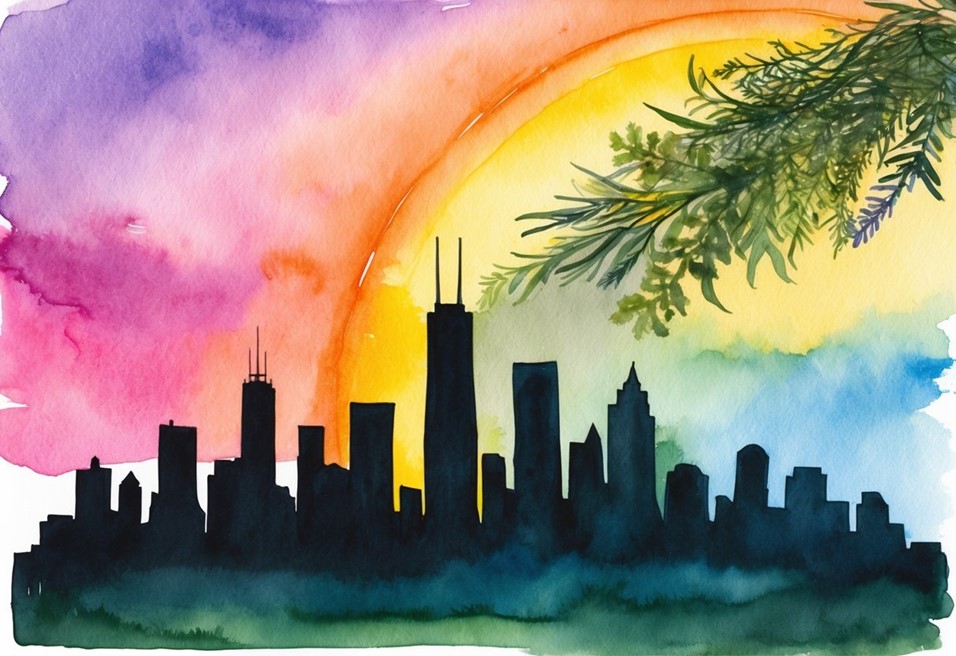
When I work with double exposure photography, I like to combine contrasting themes to tell a story. For instance, I merge urban landscapes with natural elements, like trees or oceans. This contrast creates a balance between nature and human-made structures, adding a layer of meaning to the image.
I also explore themes like day and night or old and new. Combining these can create a striking effect, highlighting differences and connections. It’s about finding two themes that, when combined, offer a new perspective.
My approach often involves planning the composition, thinking about how the two themes interact visually. This helps in creating a harmonious blend that captures attention and evokes emotion. Using Photoleap, I can manipulate the images precisely to achieve the desired outcome.
Experimenting with Textures and Colours
Textures and colours play a significant role in enhancing double exposure images. By mixing smooth and rough textures, I can emphasise certain areas of the photo. For example, blending a textured background with a smooth portrait adds depth and detail.
Colours can transform the entire mood of the image. I prefer experimenting with different colour combinations to see which ones resonate most with the theme. Warm hues add a sense of nostalgia, while cooler tones can make the image feel calm and serene.
Photoleap’s editing tools allow me to adjust textures and colours easily, giving me complete control over the final appearance of the artwork. This flexibility helps in perfecting the balance I strive for in every piece.
Frequently Asked Questions
I have explored how to create double exposure art using Photoleap. Here are some common questions that many might have.
To merge two photos in Photoleap for a double exposure, I start by selecting photos to layer. Then, I adjust settings like opacity to blend them seamlessly. The app provides tools to fine-tune the effect, making it easy to create stunning double exposure art.
Yes, Photoleap allows me to create double exposure effects on my iPhone. I simply use the app’s features to layer images, adjust blending options, and easily create the desired artistic effect directly on my device.
In Photoleap, there are several free tools I use to create double exposure art. These include basic layering options and blending settings that help me achieve beautiful results without any extra cost. Some effects may require a subscription for more advanced features.
I can download Photoleap from the App Store, which allows me to start creating double exposure photos on my iPhone. This app provides various creative tools to experiment with different styles and effects.
I can use some features of Photoleap without signing in. However, for full access, including saving certain projects, signing in might be necessary. It’s still possible to experiment with the double exposure effect without an account.
If I want to explore other options, there are alternatives to Photoleap. Apps like Adobe Photoshop Express and PicsArt offer double exposure features. Each offers unique tools and may be worth exploring alongside Photoleap.