

Software design plays a key role in software development. It is the stage where the developers plan how to transform the requirements into a system that will lead to the final product and give the desired results.
The plan will be divided into modules and components. It is like a blueprint for the development. Software design ensures that the software will meet both the functional and non-functional requirements.
The complex requirements will be broken down into manageable, smaller pieces. The designers will create the system architecture. They will decide how everything is going to work together.
The design is the architect’s understanding of how to achieve the desired goals. Development can only begin after this. A good plan or a well-defined design enhances the reliability, reusability, and adaptability of the software. A flaw in the design, on the other hand, can lead to a defect in the software, making it very expensive to fix later.

How Design Influences Software Development
It defines the structure
- It breaks down the development process into manageable, smaller modules and components.
- The relationship between the components is defined through interfaces, which gives it a clear structure.
- A structured approach will make the software easy to maintain and modify.
It addresses both functional and non-functional needs
- A good design makes sure that the software will fulfill both the functional and non-functional needs and make it scalable and secure.
- Design outlines how the software will handle user interactions and various scenarios.
It facilitates collaboration
- A well-documented design plan will help all the developers and the stakeholders.
- It will aid collaboration throughout the development process.
- Everyone in the team will understand their roles and the vision.
It works as a guide for the development process
- The design will be the blueprint for coding. It will ensure that the developers will follow the correct approach.
- It will help in the selection of the correct algorithms, overall system architecture, and data structures.
- With upfront design planning, costly rework and potential issues can be avoided.
Design as Part of the Development Process
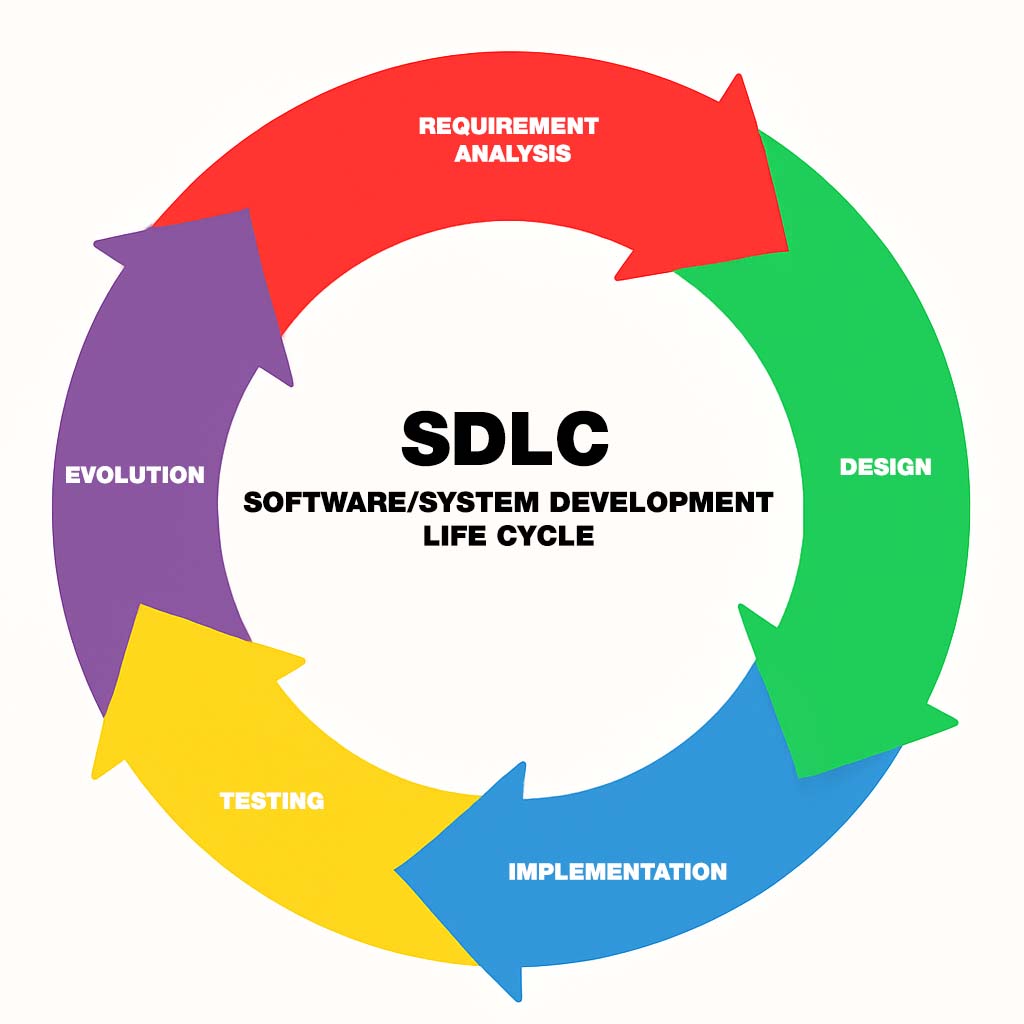
Design is an important phase in the Software Development Life Cycle (SDLC). According to Roman Oliinychenko, CEO of New Wave Devs, design is crucial for creating an effective and robust software product. Roman agrees that when there is a detailed development blueprint, there will be a greater chance that the user expectations and business needs will be met.
- It reduces development cost – A good plan will prevent costly errors and later-stage rework.
- Makes the software better – Good design will make the software reliable, user-friendly, and robust.
- Facilitates maintenance – It will be easy to understand, modify, and maintain the software if the design is clear.
- Ensures scalability – The design stage ensures that the software will be able to manage increased loads in the future.
- Improved collaboration – Good understanding of the design will facilitate better collaboration and communication in the team.
Responsibilities and Roles in the Design Stage
Many stakeholders are involved in the design stage, and they all have distinct roles –
- The client – Provides data related to the industry, reviews the team’s work, provides feedback, and gives approval.
- UX designer – Makes sure that the product interface design is logical and user-centered.
- Project manager – In charge of leading the team. Makes important decisions to ensure that the development works according to the plan.
- Business analyst – Defines the requirements of the product for the UX designers. Analyzes the generated designs.
- Technical architect – The person decides the architecture of the software, technology stack, and also how it will be integrated with the other systems.
- Software developer – Develops the product features and the code.
- QA specialist – Analyzes the requirements. Tests the software product to make sure that there are no errors.
The Impact of Design on User Experience (UX)
Design impacts user experience (UX) greatly. It influences engagement, satisfaction, and eventually the business outcome. A well-designed software will be more enjoyable, and it will have more user-friendly features, which will lead to increased user satisfaction. Conversely, a poor design will frustrate the users and cause abandonment.
- Better user satisfaction – It will make it easy for the users if the UX is well-designed. This will lead to a positive perception and greater satisfaction.
- Higher conversions – An easy-to-understand and use interface, navigation structure, and features help the users complete the desired actions, which leads to a better conversion rate. You can read this report published by Cornell University influence of UX design on user retention and conversion rates.
- Improved accessibility – Better UX design will make sure that the product will be accessible to a wider group of people, which will broaden the base.
- Better brand perception – A positive UX will build credibility and trust because the users will know that the brand prioritizes their convenience and needs.
Design and Business Outcomes
Best Practices and Trends
The best principles focus on accessibility, user-centricity design (UCD), and sustainability. It embraces trends, such as interactive 3D elements, AI integration, and minimalist maximalism. An effective design in 2025 will try to understand the user behavior, user needs and will be able to evolve across devices, thus reducing user stress.
Personalization is also important. Tailoring experiences for individual user needs and preferences has become a priority. Inclusivity and easy accessibility have gained importance.
Trends that are driving design now are integrated 3D elements, AI integration, Minimalism and micro-animations, sustainable UI/UX, and experimental navigation.