

Creating a professional-looking website no longer requires knowledge of complex programming languages. With the rise of no-code platforms, anyone, regardless of technical expertise, can build a website with ease. If you’re searching for the best tools for building websites without writing a single line of code, this article is for you.
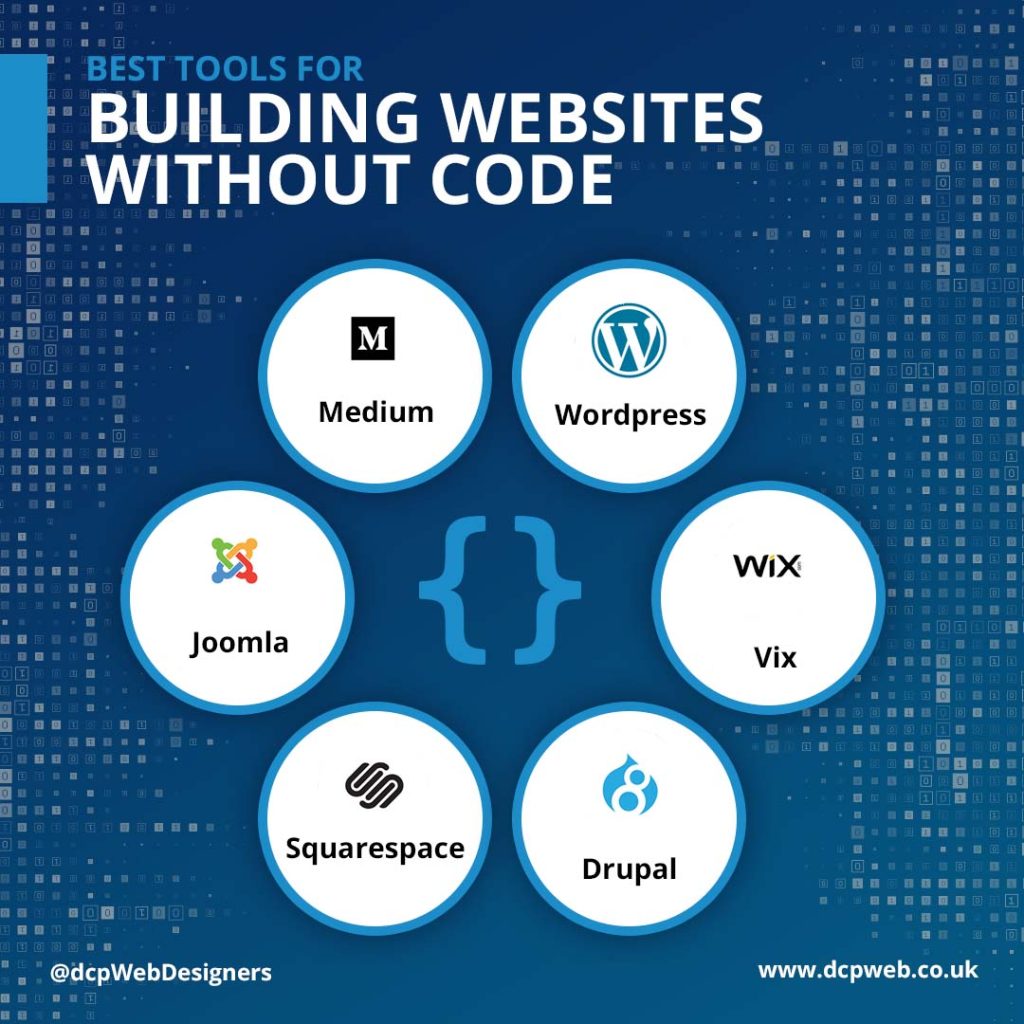
Below, we explore five of the most popular no-code website builders: WordPress, Wix, Joomla, Squarespace, and Drupal. Each platform offers its own strengths and weaknesses. Let’s dive in.
1. WordPress
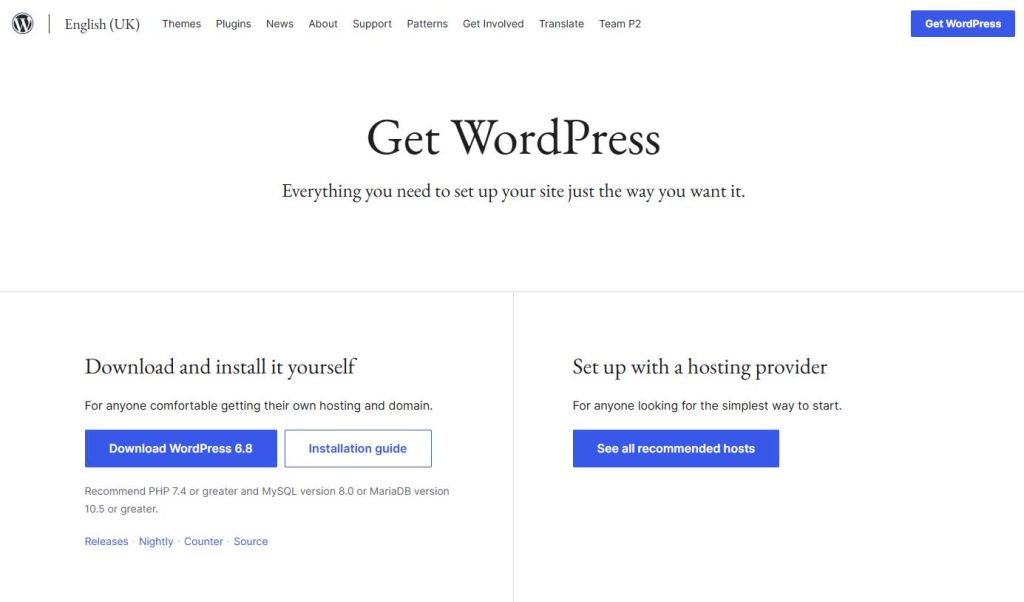
Overview:
WordPress powers over 40% of all websites on the internet, making it the most widely-used content management system (CMS) in the world. It is open-source and highly customisable, making it ideal for everything from blogs to full-scale eCommerce websites.
Advantages:
User-Friendly Interface: With themes and page builder plugins like Elementor or WPBakery, anyone can design stunning websites without coding.
Highly Customisable: Thousands of free and premium plugins and themes allow you to tailor your site to your exact needs.
Scalable: Suitable for personal blogs, portfolios, and large enterprise sites alike.
Strong Community Support: Vast documentation and active forums.
SEO-Friendly: Numerous SEO plugins like Rank Math and Yoast help boost search engine rankings.
Disadvantages:
Can Require Maintenance: Regular updates to plugins, themes, and the core platform are necessary.
Hosting Not Included: Users must purchase separate hosting and domain.
Learning Curve: While user-friendly, new users may need time to learn how to manage plugins and themes effectively.
2. Wix
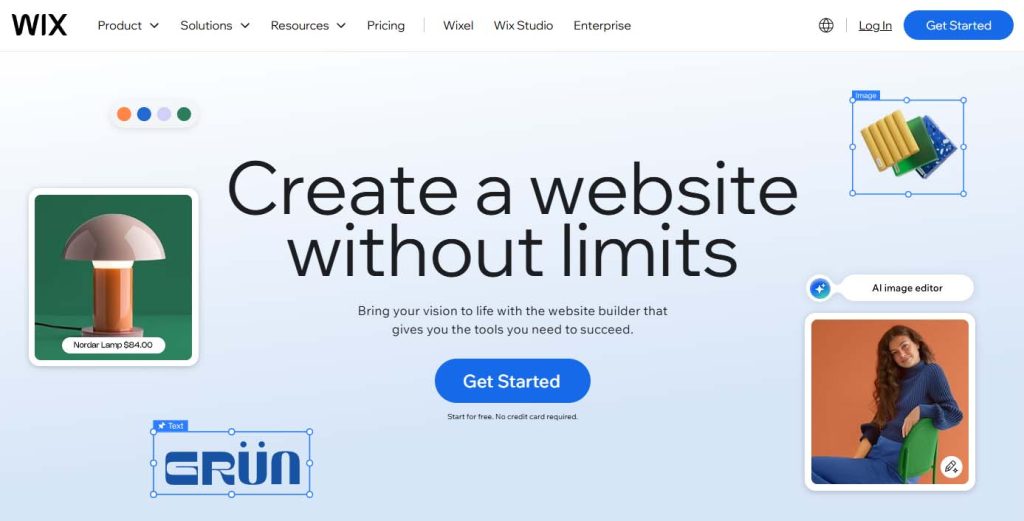
Overview:
Wix is a cloud-based website builder that offers a drag-and-drop interface, making it perfect for beginners looking to create a visually appealing website quickly.
Advantages:
Intuitive Drag-and-Drop Builder: No technical skills needed to create a fully functional website.
All-in-One Platform: Hosting, domain registration, and website building are integrated.
Templates: Offers hundreds of professionally designed templates.
App Market: Expand site functionality with add-ons.
Free Plan Available: Users can build a basic website at no cost.
Disadvantages:
Limited Flexibility: Customisation beyond provided features is restricted.
Template Lock-In: Once a template is chosen, it cannot be changed without rebuilding the site.
Performance Issues: Sites may load slower compared to WordPress, especially if overloaded with features.
Less Control: Not ideal for complex or heavily customised projects.
3. Joomla
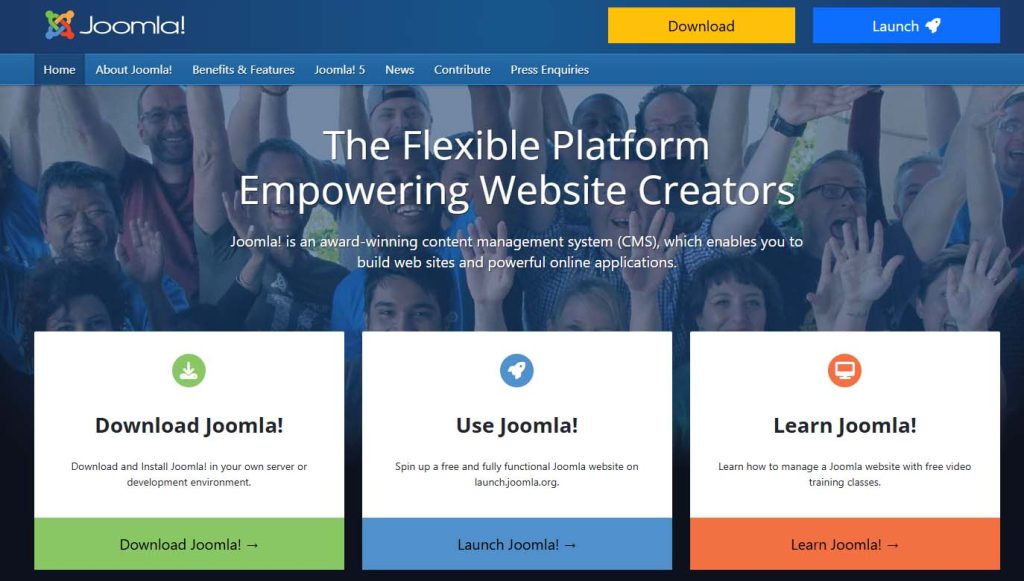
Overview:
Joomla is an open-source CMS that provides more flexibility than Wix or Squarespace but requires slightly more technical understanding than WordPress.
Advantages:
Flexible Content Management: Great for complex sites with multiple user roles and access levels.
Multi-Language Support: Built-in multilingual support without the need for plugins.
Community Support: Extensive forums and documentation.
Powerful Extensions: Thousands of extensions available for various features.
Disadvantages:
Steeper Learning Curve: More technical than WordPress and not as beginner-friendly.
Fewer Themes and Extensions: Smaller marketplace compared to WordPress.
Plugin Compatibility: Extensions may conflict with each other or require manual installation.
Hosting Required: Similar to WordPress, hosting must be arranged separately.
4. Squarespace
Overview:
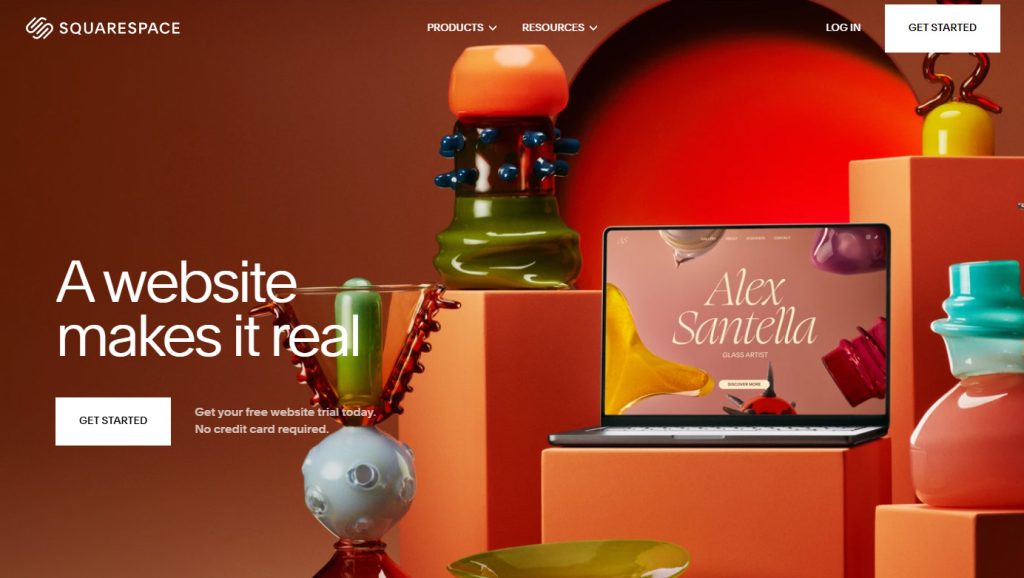
Squarespace is a popular all-in-one website builder known for its visually appealing templates and ease of use, making it ideal for creatives and small businesses.
Advantages:
Beautiful Templates: Stunning, responsive designs tailored for portfolios and creative businesses.
All-in-One Solution: Includes hosting, domain registration, and design tools.
Built-In Features: Comes with SEO tools, analytics, and eCommerce capabilities.
Ease of Use: Clean interface with drag-and-drop editing.
Disadvantages:
Limited Customisation: Less flexibility than WordPress or Joomla.
Pricey Plans: Monthly fees can add up, especially for eCommerce sites.
Proprietary Platform: You’re locked into the Squarespace ecosystem, limiting migration options.
Limited Plugin Ecosystem: Fewer third-party integrations compared to open-source platforms.
5. Drupal
Overview:
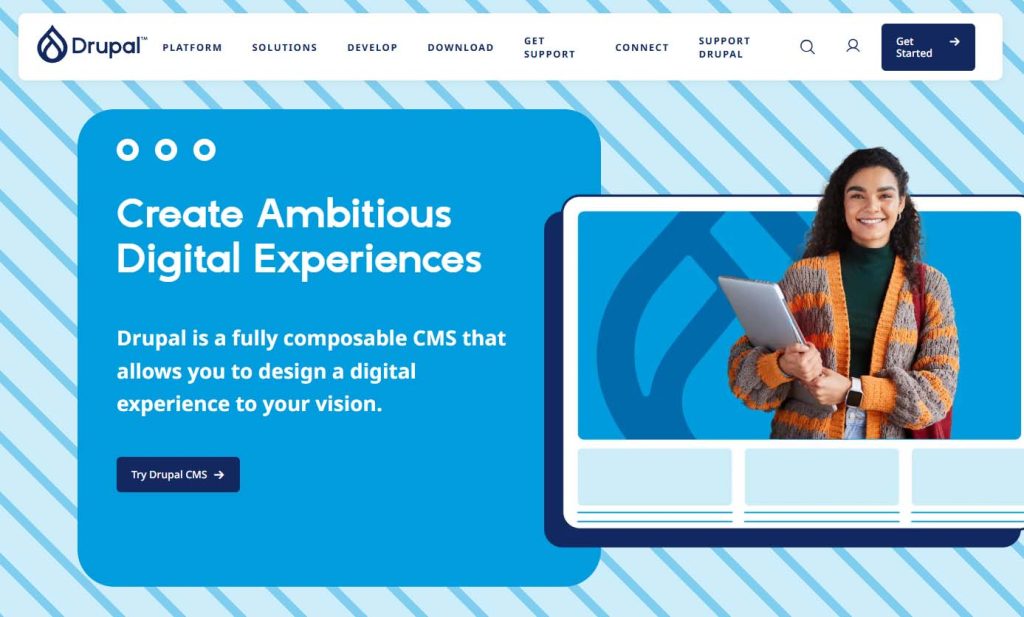
Drupal is a powerful, open-source CMS known for its flexibility and security, making it suitable for enterprise-level websites.
Advantages:
Highly Customisable: Ideal for complex websites with large amounts of content.
Enterprise-Grade Security: Strong security features make it suitable for government and institutional websites.
Scalable: Can handle high traffic and complex content structures.
Multilingual Capabilities: Built-in support for managing content in multiple languages.
Disadvantages:
Not Beginner-Friendly: Requires a good deal of technical knowledge to set up and manage.
Steep Learning Curve: Complex interface and backend management.
Limited Themes and Modules: Smaller ecosystem than WordPress.
Maintenance Intensive: Regular updates and expert maintenance often required.
Summary: Why WordPress Stands Out
When comparing these platforms, the choice ultimately depends on your specific needs and technical comfort level. However, WordPress stands out as the most balanced, versatile, and scalable no-code website building tool for several key reasons:
Unmatched Flexibility – Whether you’re building a personal blog, online shop, or corporate website, WordPress can handle it all with ease.
Thriving Ecosystem – The massive library of themes and plugins means you can achieve virtually any functionality without needing to touch code.
Affordability – WordPress itself is free, and you can find affordable hosting providers to suit every budget.
Ownership and Control – Unlike Wix or Squarespace, you’re not tied into a proprietary ecosystem. You own your content, and you can move it freely.
SEO and Performance – With the right setup and plugins, WordPress websites can load quickly and rank high in search engines.
While platforms like Wix and Squarespace offer attractive all-in-one solutions for beginners, and Drupal or Joomla serve more complex use cases, WordPress offers the perfect balance of user-friendliness, power, and growth potential. It’s this combination that has made WordPress the go-to platform for millions of website owners worldwide.
Final Thoughts
If you’re serious about building a website without writing code, WordPress is your best bet. Its robust features, extensive plugin library, and global support community make it an unmatched tool for both beginners and experienced users.
Whether you’re launching a blog, portfolio, business site, or online shop, WordPress gives you the freedom and power to bring your vision to life, no coding required.
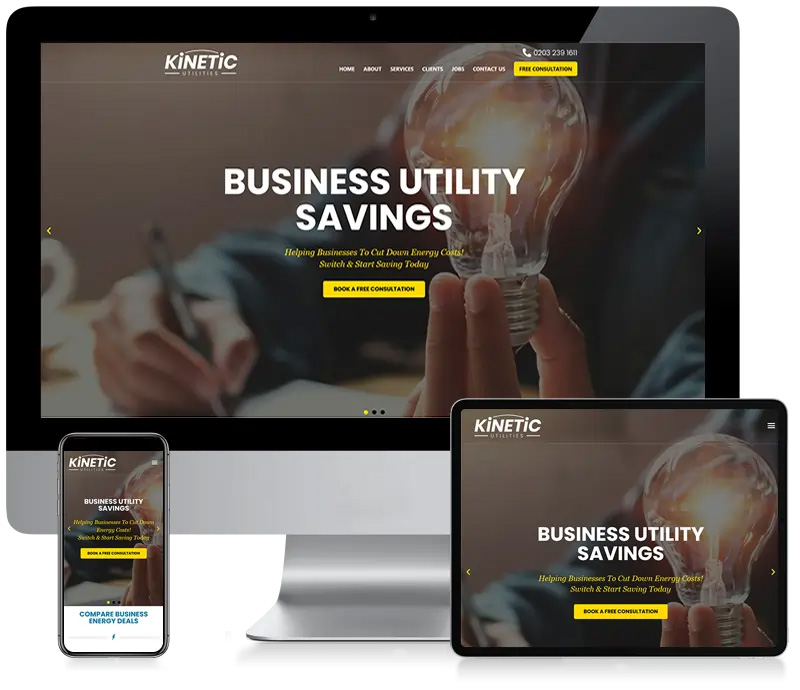

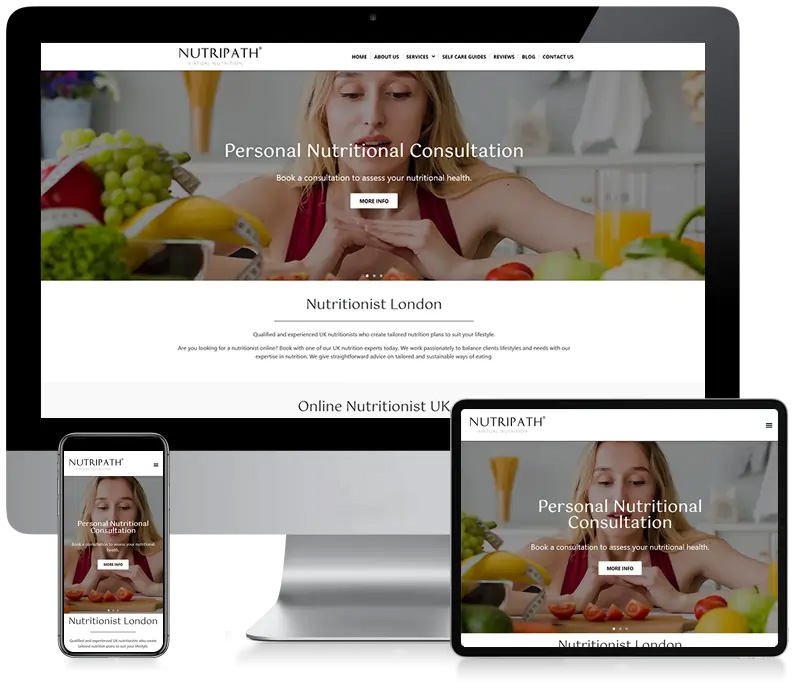
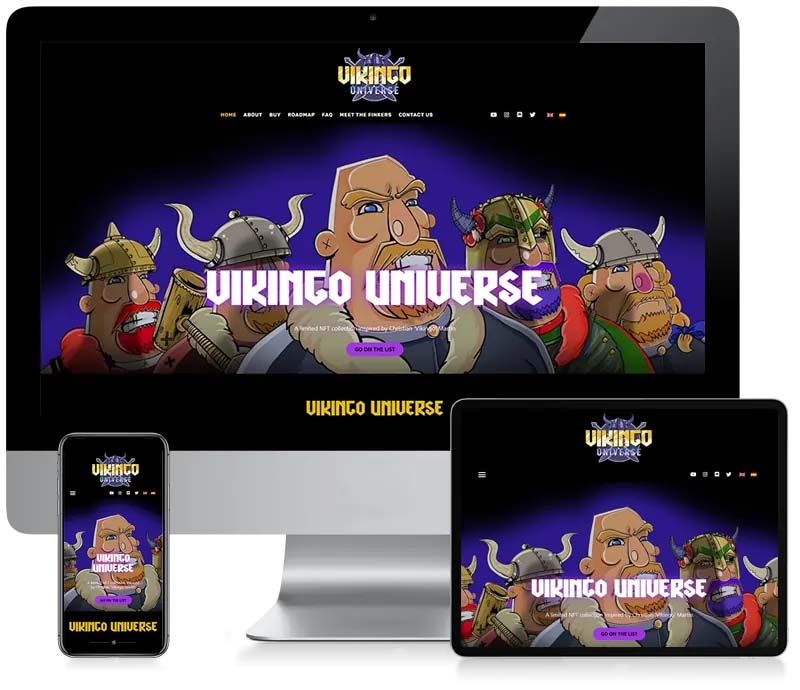
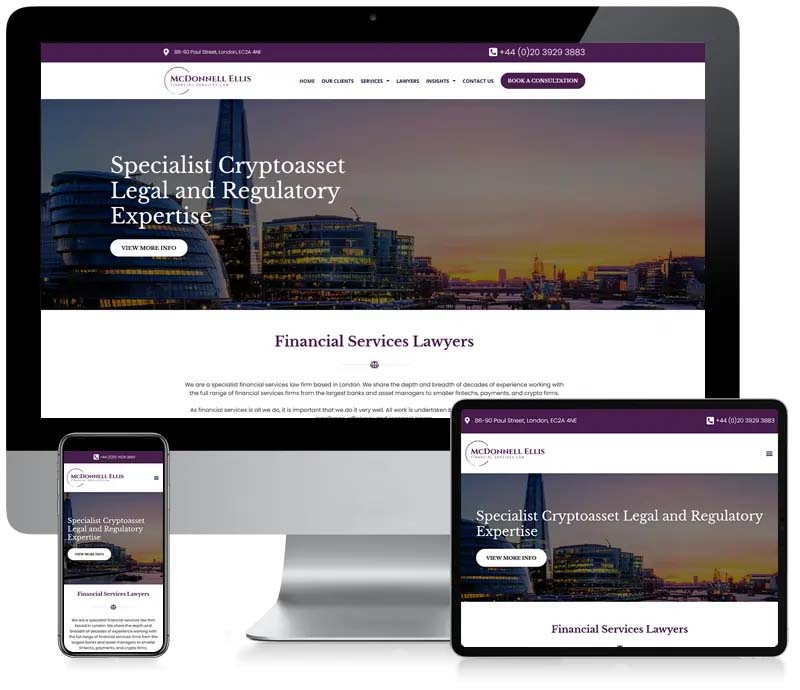
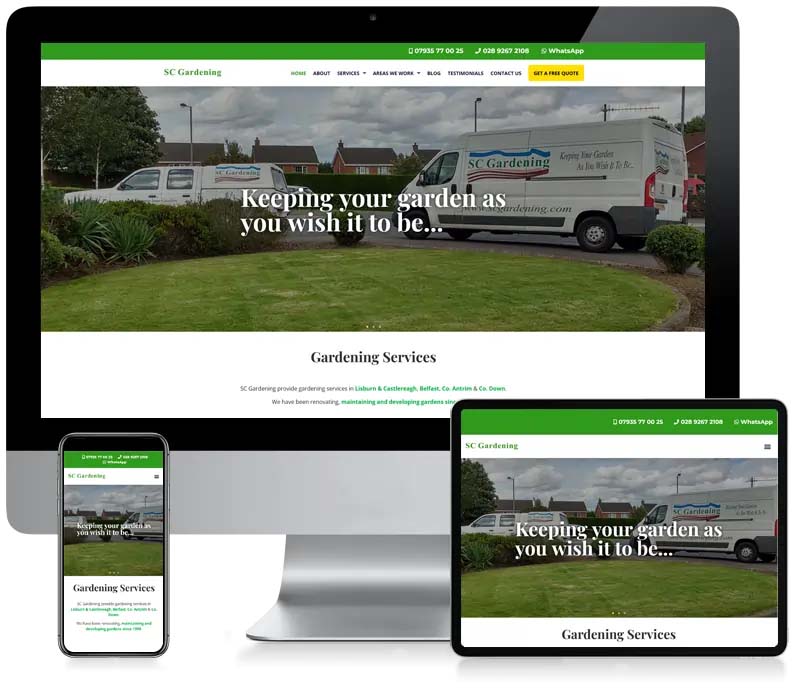
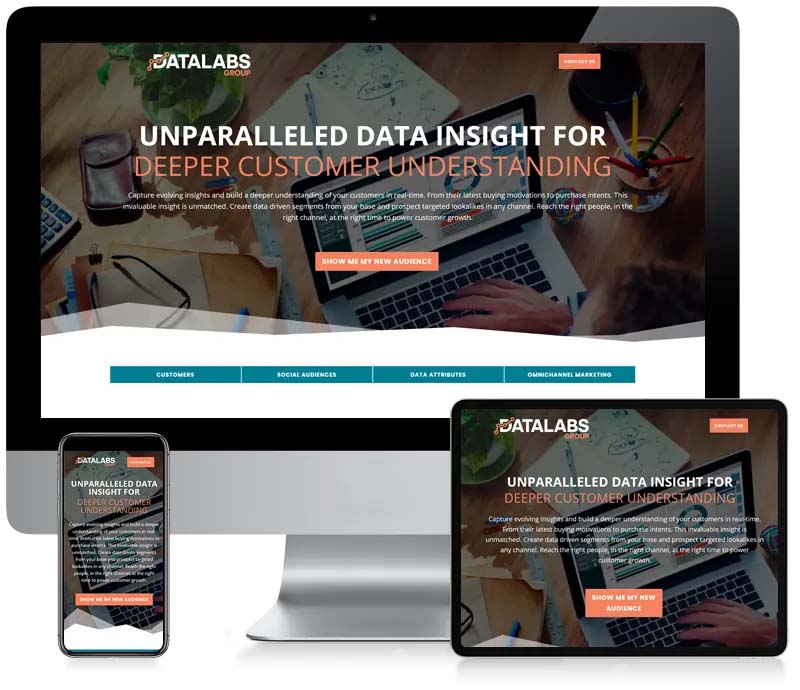
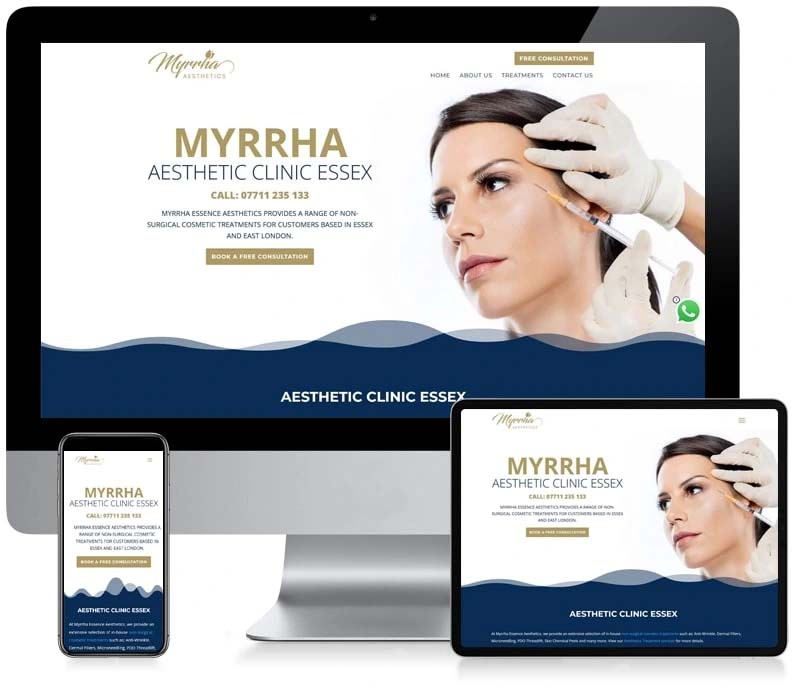
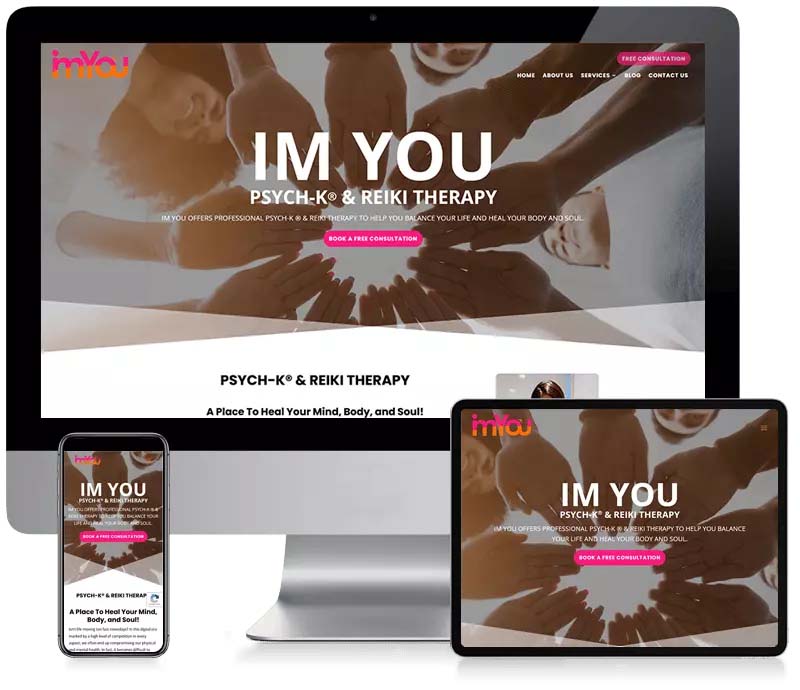
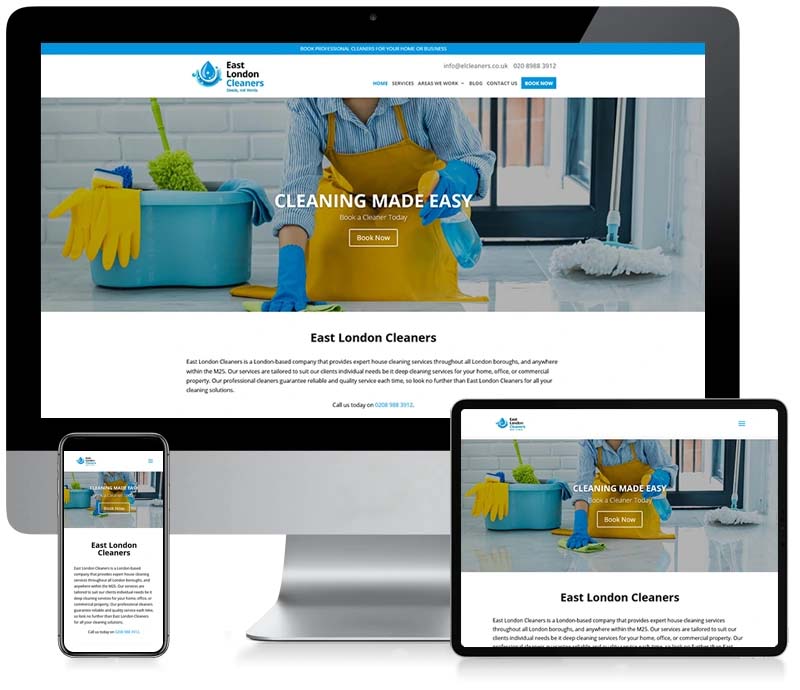
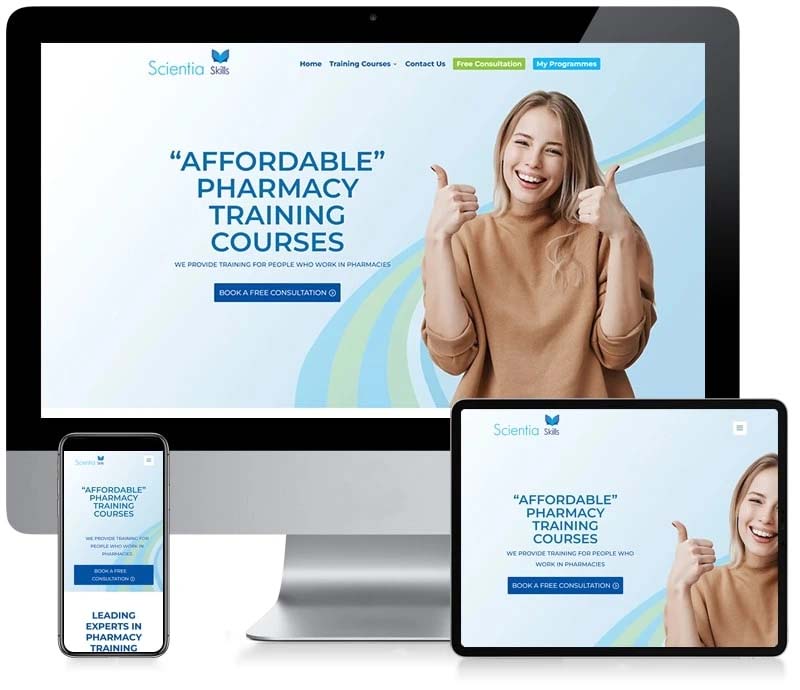
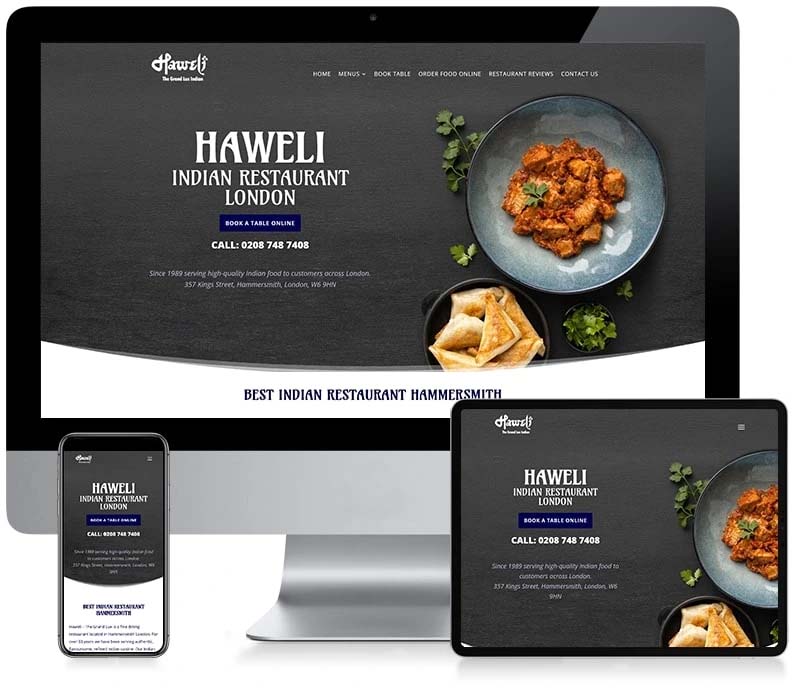

Contact DCP Web Designers to today if you need a custom WordPress Web Design solution for your business.